
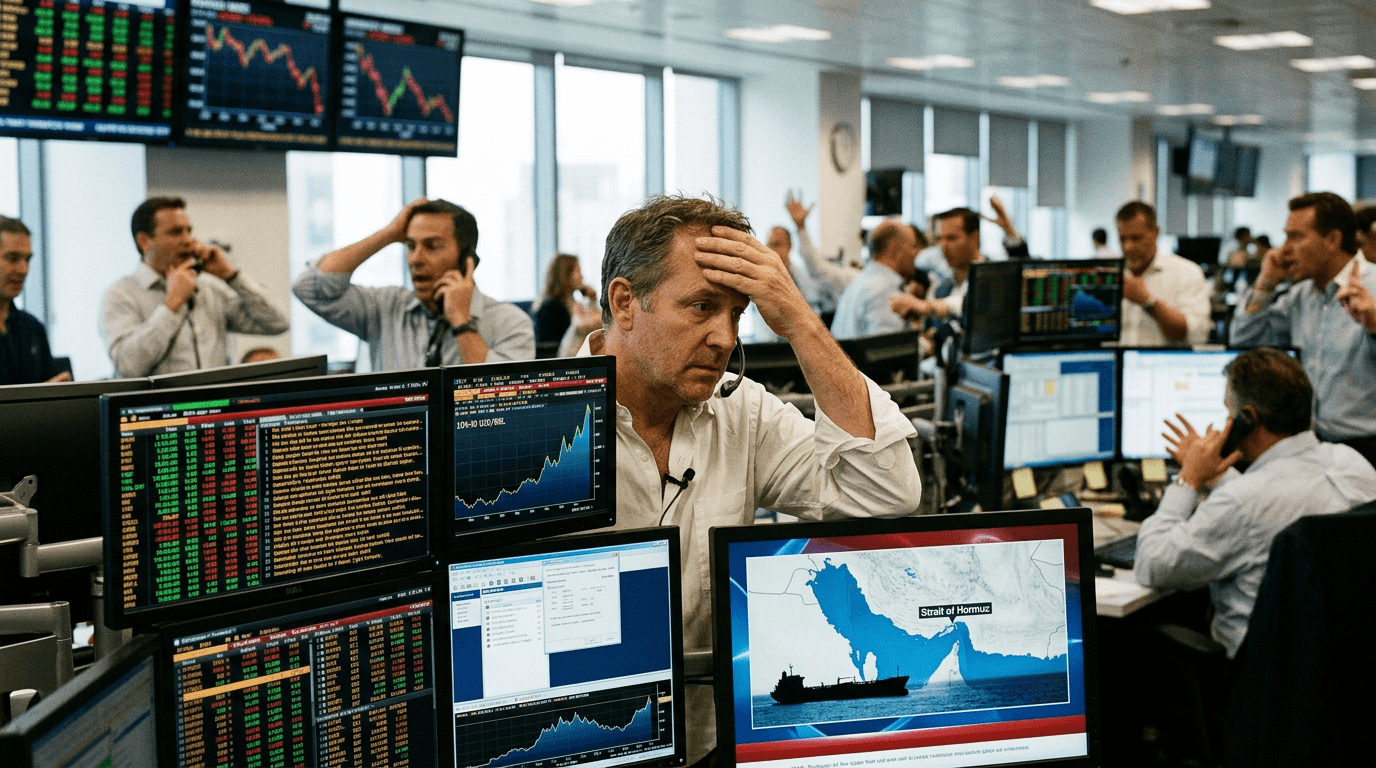
Oil Markets Defy Peace Talk Optimism Amid Gulf Supply Disruptions
Global oil markets are presenting a puzzling scenario as crude prices soar, even amidst ongoing peace negotiations between the United States and Iran. Oil prices climbed 1.30% to reach 104.40 USD/barrel, with WTI following suit, rising 1.10% to 102.60 USD/barrel. This trend highlights a complex market dynamic where disruptions in Gulf energy infrastructure are overshadowing the hopeful sentiments around diplomatic resolutions. The interplay between geopolitical risks and diplomatic endeavors creates an unpredictable trading environment, demanding that traders and investors keenly understand the nuances to navigate energy markets effectively.
The Surge in Oil Prices
The recent behavior of the oil market sheds light on a significant challenge for energy traders. Despite US President Donald Trump's declaration to delay strikes on Iran's energy infrastructure and assurances of ongoing peace talks, crude prices experienced a rally, increasing by nearly four percent on Thursday. Brent crude surged past 101 USD/barrel, while WTI hovered around 94 USD/barrel. In subsequent reports, Brent North Sea crude escalated 4.4 percent to 106.67 USD/barrel, and West Texas Intermediate rose 3.9 percent to 93.81 USD/barrel. These fluctuations underscore a critical market truth: when supply is threatened, geopolitical uncertainty can overpower diplomatic optimism.
Market analysts credit these gains to concerns over energy supply disruption rather than traditional demand-driven factors. The typical market response to surging oil prices follows a familiar pattern—stocks and bonds sell off as investors reevaluate their portfolios in light of escalating energy costs and inflation worries. All three major US indices opened in the red, with the Nasdaq Composite falling 1.1 percent, the Dow Jones Industrial Average dropping 0.4 percent, and the S&P 500 down 0.8 percent. The evident correlation between energy prices and equity market performance during this conflict serves as a stark reminder that energy security is intricately linked to broader financial markets.
Supply Chain Vulnerability and the Strait of Hormuz
A pivotal factor in this scenario is the Strait of Hormuz, a vital corridor through which approximately 20 percent of the world's oil and liquefied natural gas is transported. The near closure of this strategic waterway casts a long shadow over market sentiment, a shadow that no announcement of peace talks can entirely dispel. This is not a theoretical economic analysis; it is a pressing market reality. Tankers attempting passage through the region face significant safety hazards, and the inability to ensure safe transit has resulted in a near-total blockade of one of the globe's essential energy conduits.
Qatar's energy minister issued a stark warning, indicating that Gulf region oil and gas producers could halt exports within weeks if the conflict persists, predicting that crude could skyrocket to 150 USD/barrel. Such a scenario would have devastating implications for the global economy, triggering widespread inflationary pressures that would reverberate across all sectors. In response, the Organization for Economic Cooperation and Development has downgraded its eurozone growth outlook and forecasted higher inflation for 2026 due to soaring energy prices. German consumer sentiment has also waned as April approaches, compounding the challenges facing Europe’s leading economy.
Geopolitical Uncertainty and Peace Talk Dynamics
The gap between diplomatic advancements and market realities highlights a fundamental uncertainty about the conflict's path. US President Donald Trump has urged Tehran to enter negotiations "before it is too late," yet Iran has publicly rebuffed US overtures. Washington has proposed a 15-point plan to end the hostilities, while Tehran's state-run media reported that officials have set forth five conditions for ending the conflict. Pakistan's Foreign Minister Ishaq Dar has confirmed that indirect talks between the US and Iran are ongoing, mediated by Islamabad, yet this diplomatic structure has not convinced markets of an impending resolution.
Market analysts suggest that Iran's public stance may be a negotiating tactic, yet there remains a strong possibility that the conflict will continue until energy prices reach levels that necessitate broader economic adjustments worldwide. Conflicting signals from both parties raise critical doubts about whether a genuine path to ending the conflict exists in the immediate future.
Economic Implications for Traders and Investors
Understanding these dynamics is crucial because they shape investment strategies across various asset classes. When oil prices surge, traditional portfolio protection strategies often fail simultaneously. Bonds depreciate as inflation expectations rise, while equities decline on growth concerns. This creates a challenging environment where diversification across traditional asset classes offers limited protection.
For traders in simulated finance environments, this situation provides valuable insights into supply-side shocks, geopolitical risk premiums, and the importance of staying attuned to headline developments that can significantly alter market directions. The oil market's resilience in rising despite peace talk announcements indicates that markets are pricing in actual supply disruptions rather than political promises.
Moving Forward
Oil markets are likely to remain volatile as long as closure risks at the Strait of Hormuz persist and diplomatic negotiations remain uncertain. Whether peace talks succeed or the conflict escalates, traders should anticipate ongoing pressure on energy prices and a continued cross-asset correlation between crude and equities. This environment benefits those who can translate geopolitical events into market movements and price actions effectively.