
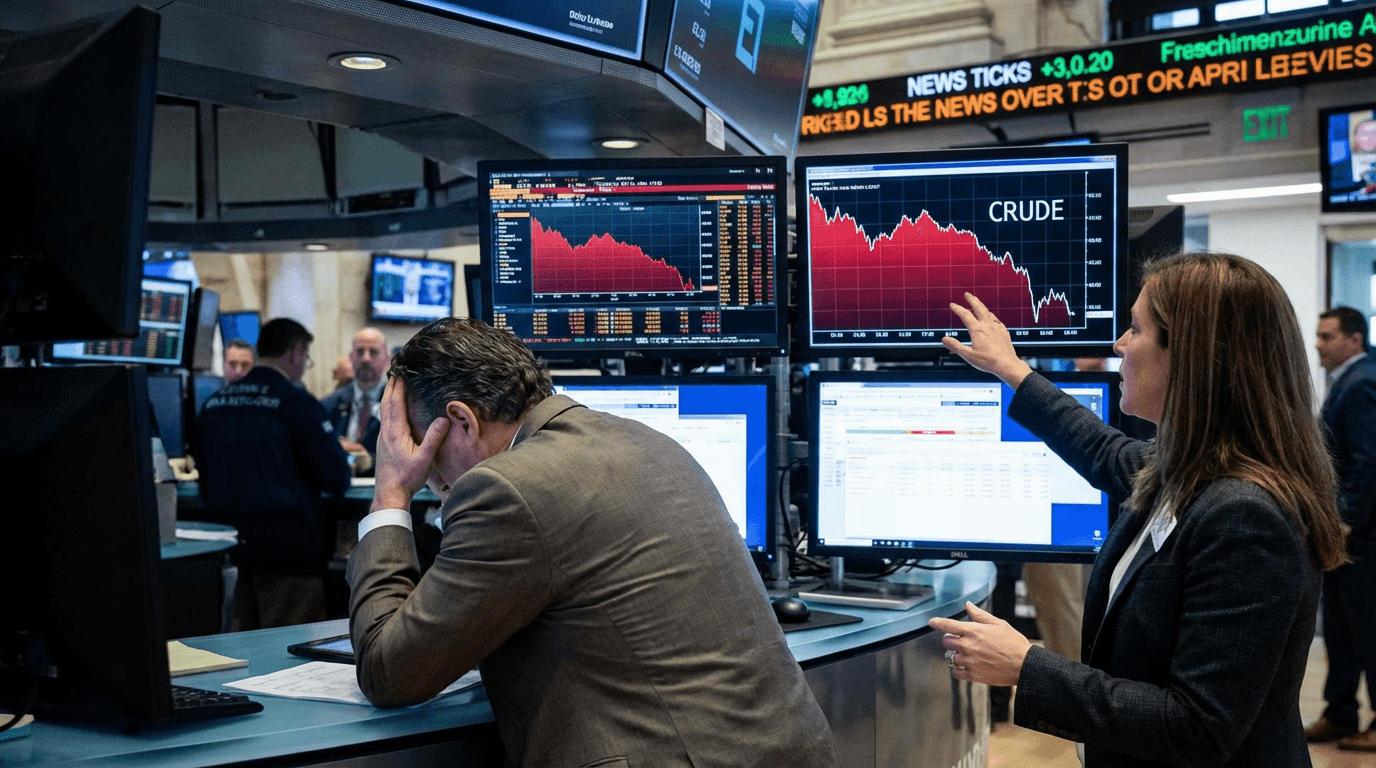
Oil prices have experienced a sharp retreat this week, with crude sliding roughly 4% as geopolitical tensions between the United States and Iran show signs of easing. Brent crude futures fell to the mid-$67 range while West Texas Intermediate (WTI) dipped below $63 per barrel, marking the steepest decline in over six months. This dramatic reversal comes after President Trump signaled that Iran is "seriously talking" with Washington about nuclear negotiations, a complete turnaround from the military rhetoric that had dominated headlines just days earlier.
The market's reaction underscores a fundamental truth about crude oil pricing: perception of supply risk can move prices more dramatically than actual disruptions. Last week, when reports circulated that the Trump administration was considering military strikes against Iranian targets, oil soared to six-month highs above $71 per barrel. That surge represented what analysts call a "geopolitical premium"—extra price cushion built in by traders protecting against potential supply shocks. As diplomatic signals improved, investors aggressively sold off those protection positions, triggering rapid price declines.
What Changed This Week
The pivot began on Saturday when Trump told reporters that Iran was "seriously talking" with the United States. His comments came hours after Iran's top security official confirmed that "arrangements for negotiations were underway." This represented a stunning 180-degree turn from Thursday's threats of military action. Regional mediators including Turkey, Egypt, and Qatar are reportedly organizing direct talks between White House envoy Steve Witkoff and senior Iranian officials, with meetings potentially scheduled for Ankara later this week.
This deescalation narrative completely altered market dynamics. The crude oil market, which had been pricing in significant military action risk, quickly repriced as that risk receded. According to market analysts, the selloff reflects "profit-taking" and a return to more fundamental price drivers. Tony Sycamore from IG Markets noted that traders are "interpreting this as an encouraging step back from confrontation, easing the geopolitical risk premium built into the price during last week's rally."
The Removal Of The Risk Premium
What's particularly significant is how rapidly the geopolitical risk premium has evaporated. Bloomberg NEF estimated that only $4 per barrel of "war premium" is currently built into prices—a dramatic reduction from the $10+ premium that existed when military tensions peaked. This means the market has largely reset expectations back to a baseline scenario where military action does not occur.
This shift matters for consumers and investors alike. Lower oil prices translate directly into cheaper fuel at the pump and reduced energy costs for businesses. For traders and energy companies, the question now becomes whether this new price floor in the low-to-mid $60s represents fair value or if other factors support prices at these levels.
Opec Holds Production Steady Amid Uncertainty
The Organization of the Petroleum Exporting Countries weighed in on Sunday with its own decision to maintain production levels unchanged through March 2026. Eight OPEC+ member countries—led by Saudi Arabia and Russia—chose not to increase output despite earlier plans to do so. This decision signals that OPEC is taking a cautious approach given the uncertainty around Iran negotiations.
The production hold is significant because it suggests OPEC recognizes that increased supply could further pressure prices if geopolitical tensions continue to ease. Without new output additions, OPEC is essentially choosing to support prices through constraint rather than allowing the market to find its own level. However, the group provided no forward guidance beyond March, keeping its options open should the diplomatic situation change.
What Comes Next: Risks And Opportunities
While the immediate trajectory points toward lower prices, traders should monitor several key developments. The Ankara talks represent the first major test of whether genuine negotiations can proceed. Additionally, the fundamentals underlying the oil market remain bearish. Capital Economics has warned that "geopolitical risks mask a fundamentally bearish oil market," citing global oversupply concerns and the relatively short-lived nature of recent geopolitical disruptions.
A Reuters poll of 32 analysts found that most expect oil prices to hover near $60 per barrel throughout 2026 as oversupply concerns outweigh geopolitical risk premiums. However, this consensus assumes that diplomatic efforts succeed. If talks collapse and military action occurs, Barclays estimates oil could jump to around $80 per barrel. In an extreme scenario where Iran's exports are completely removed from markets, Bloomberg NEF projects Brent could average $91 per barrel by late 2026.
The Strait of Hormuz remains another critical factor to monitor, as approximately 20% of global oil supply passes through these waters. Any escalation could threaten this critical chokepoint, potentially causing immediate supply shocks.
Key Takeaways For Traders
Oil prices have fallen sharply on deescalation signals, with the geopolitical risk premium largely removed. This creates a trading environment focused on fundamentals rather than fear. Watch the upcoming U.S.-Iran talks closely, as their success or failure will determine the next major price direction. Monitor OPEC's March meeting for production decisions. Finally, keep an eye on dollar strength, as a stronger dollar can further pressure oil prices denominated in U.S. currency.