
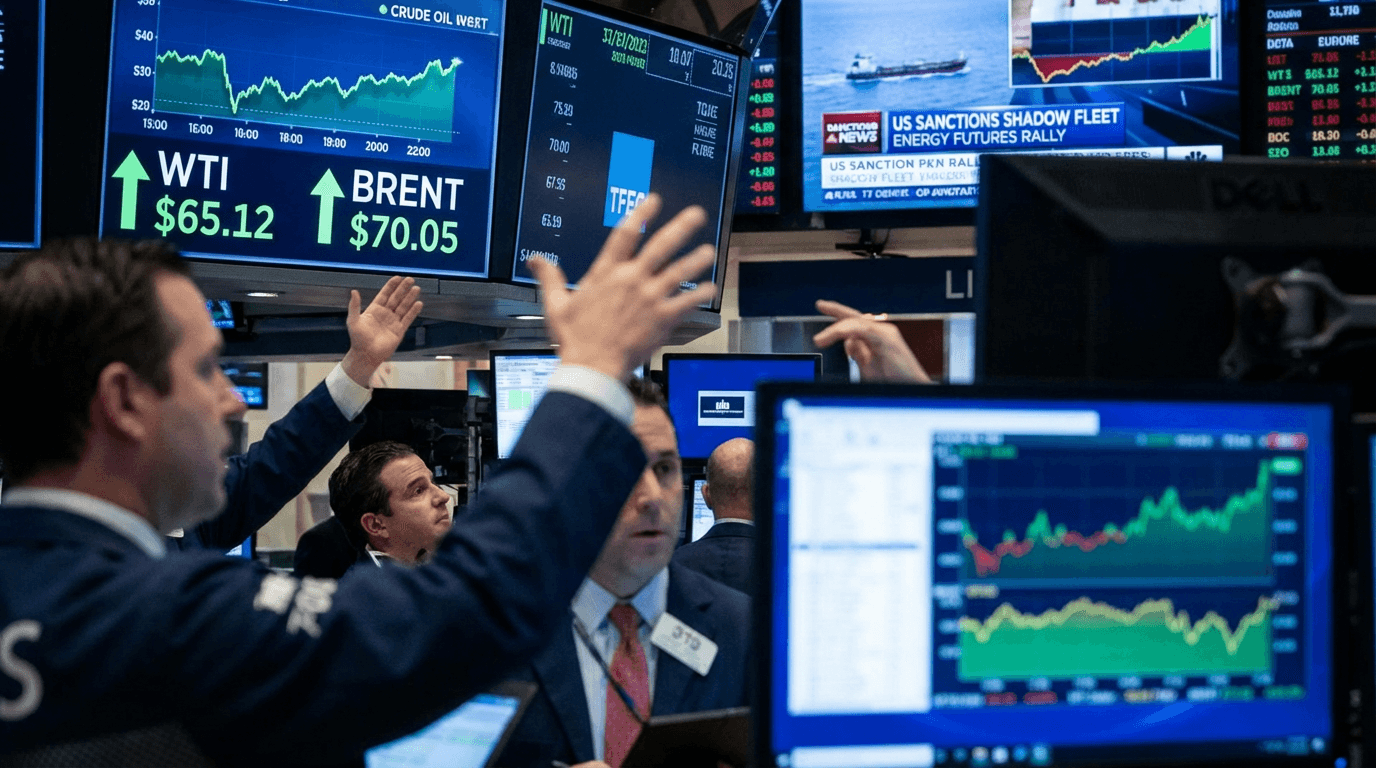
The oil market has responded decisively to escalating US pressure on Iran's energy sector, with crude prices climbing significantly as the Treasury Department announced a major new sanctions campaign targeting the Islamic Republic's shadow fleet. On January 23, 2026, the Office of Foreign Assets Control (OFAC) sanctioned nine shadow fleet vessels and eight entities involved in transporting hundreds of millions of dollars' worth of Iranian oil and petroleum products to foreign markets.[1][2] This coordinated action, coupled with signals of broader economic measures against Tehran, has supported energy futures while influencing commodity-linked currencies in forex markets. For traders and market participants, understanding the mechanics and implications of these sanctions is essential to navigating the current energy landscape and positioning portfolios appropriately.
Understanding The Sanctions Campaign
The January 23 OFAC action represents a significant escalation in the Trump administration's "maximum pressure campaign" against Iran. Treasury Secretary Scott Bessent described the sanctioned vessels as representing "a critical component" of how Iran generates the funds used to repress its own people.[2] The nine vessels targeted include the Sea Bird, Avon, and Al Diab II for shipping Iranian LPG; the Cesaria for transporting crude oil to East Asia; the Longevity 7 for carrying clean condensate and methanol; the Eastern Hero for shipping fuel oil; the Aqua Spirit for petroleum products; and the Chiron 5 and Keel for naphtha shipments.[3]
Importantly, OFAC also sanctioned the owners or management firms behind these vessels, including Horizon Harvest Shipping based in the United Arab Emirates, Aayat Ship Management in India, Black Stone Oil and Gas in Oman, and several Marshall Islands and Liberia-registered companies.[3] This multifaceted approach targets not just the vessels themselves but the entire network supporting Iranian oil transportation, making it more difficult for Tehran to circumvent restrictions.
The sanctions were issued under Executive Order 13902, which targets Iran's petroleum and petrochemical sectors, and align with National Security Presidential Memorandum 2 (NSPM-2), establishing maximum economic pressure on Iran.[2][4] Beyond the US measures, the UK Parliament has signaled preparations for additional sectoral sanctions targeting Iran's finance, energy, transport, and software industries in coordination with EU and other international partners.[1] This multilateral approach suggests the sanctions regime is likely to tighten further throughout 2026.
Market Reaction And Price Dynamics
The crude oil market has responded positively to these developments, with WTI crude climbing above $65 per barrel and Brent crude rising above $70 per barrel.[1] This price appreciation reflects several market dynamics. First, sanctions that reduce Iranian oil supply to global markets tighten the overall energy balance, supporting prices. Second, the signals of broader US actions against Iran—including President Trump's announced 25% "secondary" tariff on countries "doing business with" Iran—create uncertainty about future supply disruptions and geopolitical risks.[1]
The energy sector's strength has extended into related markets, with commodity-linked currencies experiencing notable movements in forex markets. Countries with significant energy export revenues have seen their currencies supported, while energy importers face headwinds. This spillover effect demonstrates the interconnected nature of commodity markets and macroeconomic variables, creating opportunities and risks across multiple asset classes simultaneously.
Geopolitical Context And International Coordination
The January 23 sanctions followed related enforcement actions taken on January 13, 15, and 16 in response to Iran's crackdown on public protests, indicating a sustained and coordinated pressure campaign.[1] Additionally, the UK, France, and Germany had already triggered UN snapback sanctions in October 2025, restoring UN sanctions targeting Iran's nuclear and missile programs.[1] This layered approach—combining US unilateral sanctions, multilateral UN mechanisms, and coordinated allied actions—demonstrates an escalating strategy to economically isolate Iran's energy sector.
The enforcement actions also signal determination to track Iranian regime assets attempting to leave the country. Treasury Secretary Bessent stated that Treasury will "continue to track" millions of dollars the Iranian regime is allegedly attempting to wire outside Iran, though specific enforcement mechanisms remain undisclosed.[1] This focus on financial flows suggests additional sanctions targeting banking relationships and money movement channels may follow.
Implications For Traders And Investors
For market participants, several key takeaways emerge from this sanctions escalation. Energy prices face structural support from reduced Iranian supply, though global recession concerns and demand fluctuations remain important variables. The sanctions regime is likely to expand rather than contract in 2026, given signals of UK and EU coordination, creating ongoing upside pressure on oil prices.
Traders should monitor several developments closely: the implementation timeline for UK sectoral sanctions; the specific details of the Trump administration's 25% secondary tariff; potential responses from Iran or its allies; and any adjustments to sanctions enforcement that might expand to additional vessels or entities. Currency traders should recognize that energy price movements will continue influencing commodity-linked currency pairs, particularly those of major oil exporters and importers.
The broader lesson is that geopolitical risk remains a persistent driver in energy markets, and sanctions regimes create both structural supply constraints and volatile price dynamics. Positioning based on fundamental understanding of these mechanisms rather than sentiment-driven reactions provides more durable trading edges.
Oil prices rose on sanctions news, but the story extends far beyond simple supply-demand dynamics. Understanding the multilayered geopolitical campaign targeting Iran's energy sector provides essential context for navigating commodity markets and related asset classes in 2026. As Treasury and allied governments execute coordinated pressure campaigns, traders must remain vigilant to shifting enforcement priorities and international coordination that could reshape energy markets and global commodity flows.