
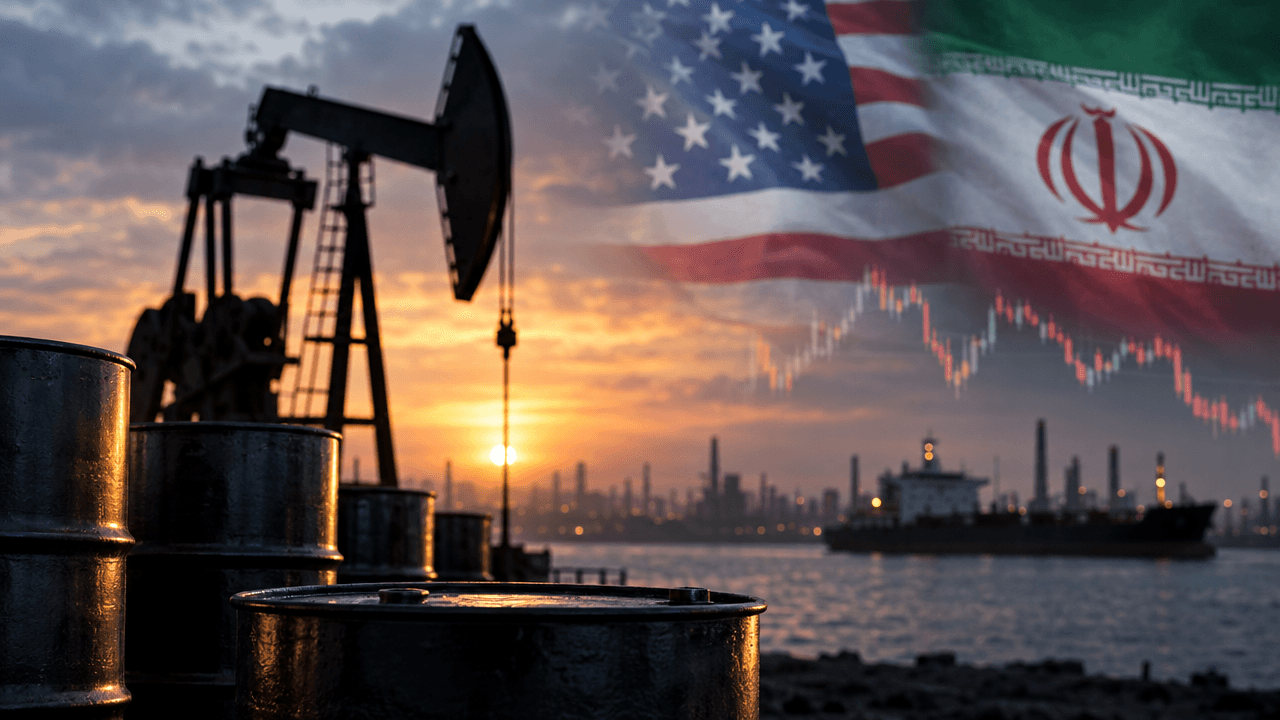
Oil prices retreated as fears of an imminent escalation between the United States and Iran eased, giving traders a brief reason to reduce the geopolitical premium built into energy markets. Brent crude fell toward $103 a barrel, while West Texas Intermediate slipped toward $91 after U.S. President Donald Trump said Washington would not attack Iran before the November 3 midterm elections and described discussions with Tehran as productive. [2]
The decline does not mean the underlying risk has disappeared. It reflects a change in timing expectations. Markets that had rapidly priced in the possibility of fresh military action are now adjusting to the prospect of a temporary pause. For traders, the episode is a useful reminder that oil prices can respond sharply not only to physical supply changes, but also to shifting expectations about future disruptions.
Why Oil Retreated
Oil prices had surged after reports suggested that the United States could be considering new attacks on Iran. Brent briefly reached approximately $105.88 before retreating, while the broader market also reacted to concerns about Iranian attacks on regional shipping and potential disruption around the Strait of Hormuz. [5]
Trump’s comments reduced the perceived probability of an immediate military escalation. By ruling out an attack before the U.S. elections, the president gave energy traders a near-term political timeframe. That does not resolve the conflict, but it lowers the chance of an unexpected supply shock over the next several weeks.
The market also received support from signs that China could resume fuel exports after a brief suspension. Additional product availability can ease pressure on refined fuel markets, particularly when traders are already concerned about disruptions to crude production and transportation. [11]
Oil prices therefore moved lower for two related reasons: the immediate risk of a wider conflict appeared less likely, and some concerns about refined-product supply began to fade.
The Geopolitical Premium Remains
Crude oil prices include more than the balance between daily production and consumption. They also reflect the risk that future supplies may become unavailable. When conflict threatens major producers, export terminals, pipelines, tankers, or shipping routes, traders may bid prices higher before any physical shortage occurs.
The Strait of Hormuz is especially important because it is a major maritime chokepoint for global energy shipments. Any sustained disruption would affect not only crude oil, but also refined fuels, freight costs, insurance premiums, and inflation expectations. Reports of increased Iranian attacks on traffic through the strait have kept that risk in focus, even as immediate fears of a U.S. attack have eased. [5]
This explains why the latest retreat should not automatically be interpreted as a return to normal conditions. Oil can fall when escalation is postponed and rise again if negotiations break down, shipping is interrupted, or military activity resumes. In geopolitical markets, a temporary de-escalation is often a reduction in risk rather than a permanent removal of it.
Why This Matters For Inflation And Interest Rates
Energy prices have a direct effect on household and business costs. Higher crude prices can raise gasoline, diesel, jet fuel, shipping, and manufacturing expenses. If the increase lasts long enough, companies may pass those costs to consumers, putting renewed pressure on inflation.
That creates a challenge for central banks. A short-lived oil spike may have limited influence on monetary policy if it quickly reverses. A prolonged energy shock, however, can make inflation more persistent while weakening economic activity. Policymakers may then face pressure to keep interest rates higher for longer, even as consumers and businesses experience slower growth.
The recent decline in oil prices therefore helped stabilize broader risk sentiment. Lower energy costs can reduce immediate inflation concerns and support interest-sensitive assets. But the relief is conditional. If crude prices move sharply higher again, markets may quickly reassess inflation forecasts, bond yields, currencies, and equity valuations.
What Traders Should Watch Next
The most important signal is no longer political rhetoric alone. Traders are increasingly watching physical evidence, including tanker movements, export volumes, refinery operations, insurance costs, and the safety of shipping routes. Bloomberg analysis noted that oil traders have become more focused on cargo flows and actual supply conditions, while price swings have moderated compared with the early stages of the conflict. [8]
Several indicators deserve close attention
First, monitor developments in U.S.-Iran negotiations. Statements that reduce the likelihood of military action may pressure prices lower, while failed talks or new threats could quickly restore the risk premium.
Second, watch activity around the Strait of Hormuz. Disruptions to tanker traffic could have a larger market impact than diplomatic headlines because they would directly affect the movement of physical supply.
Third, follow refined-product markets. Gasoline, diesel, and jet-fuel prices can reveal whether supply stress is spreading beyond crude oil.
Finally, compare oil’s reaction with other markets. A rise in crude accompanied by stronger bond yields and falling equities may indicate renewed inflation fears. Conversely, lower oil, easing yields, and firmer stocks would suggest that investors are treating the geopolitical risk as contained.
Practical Takeaways For Simfi Traders
For SimFi traders, the current environment rewards disciplined risk management rather than headline chasing. A sudden oil move may create opportunities, but geopolitical markets can reverse quickly when a single statement changes expectations.
Use smaller position sizes during major political developments, define entry and exit levels before trading, and avoid assuming that a sharp move must continue. Consider both Brent and WTI dynamics, since regional supply concerns, contract structure, and transportation conditions can produce different reactions.
It is also important to distinguish a news-driven move from a confirmed trend. A one-day retreat may reflect profit-taking and reduced fear, not a lasting bearish shift. Confirmation would require continued easing in supply concerns, stable shipping conditions, and evidence that negotiations are producing durable results.
Conclusion
Oil’s retreat shows how quickly energy markets can reprice geopolitical risk. Comments ruling out an immediate U.S. attack on Iran reduced fears of a near-term supply shock, while the possible resumption of Chinese fuel exports added another source of relief. [1]
Still, the market remains vulnerable to renewed escalation. The central lesson is that lower oil prices signal improved short-term expectations, not necessarily lasting stability. Traders should follow physical supply data, shipping activity, negotiations, and inflation-sensitive assets together. In an energy market shaped by both barrels and headlines, preparation matters more than prediction.