
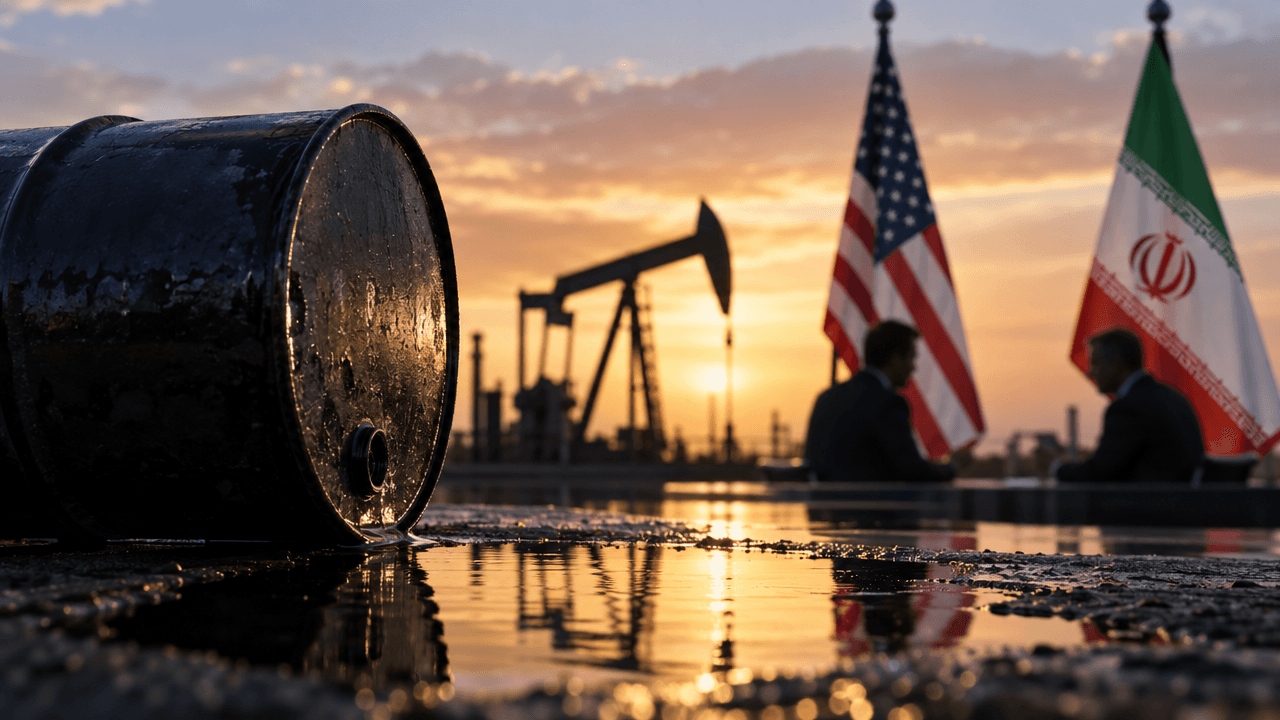
Oil’s geopolitical premium is fading. Brent crude reversed lower after an early advance, falling more than 3% toward $102 per barrel as reports of potential US-Iran diplomacy encouraged traders to price in a better chance of restored regional supply. The move extended the previous session’s steep decline, when Brent settled 7.6% lower at $104.77 and West Texas Intermediate fell 7.4% to $96.46. [6]
The selloff illustrates how quickly energy markets can revalue risk. Oil prices had climbed sharply as conflict and shipping disruptions threatened barrels moving through the Middle East. Now, even tentative diplomatic signals are prompting traders to remove part of that risk premium.
Why Diplomacy Matters For Oil
Crude prices reflect more than current production. They also include expectations about future supply, transportation security and the possibility of a larger disruption. When geopolitical tensions rise, buyers often pay extra for immediate delivery because they fear that exports could be interrupted.
Diplomacy changes that calculation. If negotiations between Washington and Tehran lead to a ceasefire, improved maritime security or an agreement to reopen key shipping routes, the market may begin anticipating more reliable exports. That expectation can push prices lower before any additional barrels physically reach consumers.
The Strait of Hormuz remains central to the outlook. The waterway between Iran and Oman normally carries approximately one-fifth of global oil supplies, making it one of the world’s most important energy chokepoints. Recent disruption has affected vessel traffic, although reports indicate that shipments from Persian Gulf producers have at times approached pre-conflict levels. [13][14]
For oil traders, the question is therefore not simply whether diplomacy succeeds. It is whether negotiations reduce the probability of further attacks, allow tankers to move more freely and restore confidence in the continuity of exports.
A Reversal, Not Necessarily A New Trend
The latest decline should not automatically be interpreted as the beginning of a lasting bear market. Oil remains highly sensitive to headlines, and negotiations can fail, stall or trigger renewed confrontation. Indeed, reports on Tuesday that a final US-Iran agreement remained out of reach helped crude prices rebound from earlier losses, highlighting the market’s fragile confidence in diplomacy. [1]
This is typical of event-driven markets. Prices may fall rapidly when traders unwind defensive positions, then recover when new information challenges the optimistic narrative. Volatility can remain elevated even when the broad direction appears clear.
The previous rally also provides context. Brent gained roughly 14% during October as traders assessed the conflict and its effect on supply expectations. The recent decline has erased part of that advance, but crude prices remain well above levels seen before the latest escalation. [12]
Traders should distinguish between a change in the risk premium and a change in the underlying balance of supply and demand. A lower geopolitical premium can reduce prices quickly, while actual production, inventories and consumption trends determine whether that weakness persists.
What Lower Oil Means For Other Markets
Cheaper crude can be positive for inflation-sensitive assets. Lower energy costs reduce pressure on fuel prices, transportation expenses and household bills. If the decline continues, investors may become more confident that headline inflation will moderate, potentially supporting bonds and interest-rate-sensitive sectors.
Oil-importing economies may also benefit. Lower energy costs can improve trade balances, reduce operating expenses for businesses and increase consumers’ disposable income. Airlines, logistics companies, manufacturers and other fuel-intensive industries are especially sensitive to sustained changes in crude prices.
The effect on currencies is less straightforward. Energy exporters often receive support from higher oil prices because export revenues improve and foreign currency inflows increase. When crude falls, those currencies can weaken. This helps explain why the latest move weighed on energy-linked currencies even as it benefited assets that are vulnerable to inflation.
For central banks, the development offers some relief but does not eliminate uncertainty. Energy prices are only one component of inflation, and a temporary oil decline may not materially change policy expectations. Officials will still monitor wages, services inflation, consumer demand and broader financial conditions.
Practical Takeaways For Traders
First, follow the negotiation process rather than reacting to a single headline. Statements about talks, ceasefires or reopening shipping routes can move prices, but implementation is what matters.
Second, monitor Brent-WTI spreads and the futures curve. Changes in spreads can reveal whether the market is responding to global geopolitical risk, regional logistics problems or US-specific inventory conditions.
Third, watch physical indicators. Tanker movements, shipping insurance costs, export volumes and refinery demand can confirm whether improving sentiment is translating into real supply relief.
Fourth, manage position size carefully. Headline-driven oil markets can reverse sharply, especially when diplomatic optimism competes with military developments. A trade based solely on one political statement carries significant event risk.
Finally, avoid treating a falling price as proof that the supply problem has disappeared. The market may be discounting a possible resolution, not reporting a completed one.
The Bigger Market Lesson
Oil’s latest reversal shows that expectations can be as powerful as physical barrels. Diplomacy has reduced the immediate fear of a deeper supply shock, encouraging traders to unwind part of the premium built into crude. Yet the path from negotiations to stable energy flows remains uncertain.
For investors and SimFi traders, the most useful approach is to separate headline momentum from confirmed fundamentals. Track diplomacy, shipping conditions, inventories and the futures curve together. If those signals align, a sustained price move becomes more credible. If they conflict, volatility—not direction—may be the defining market theme.