
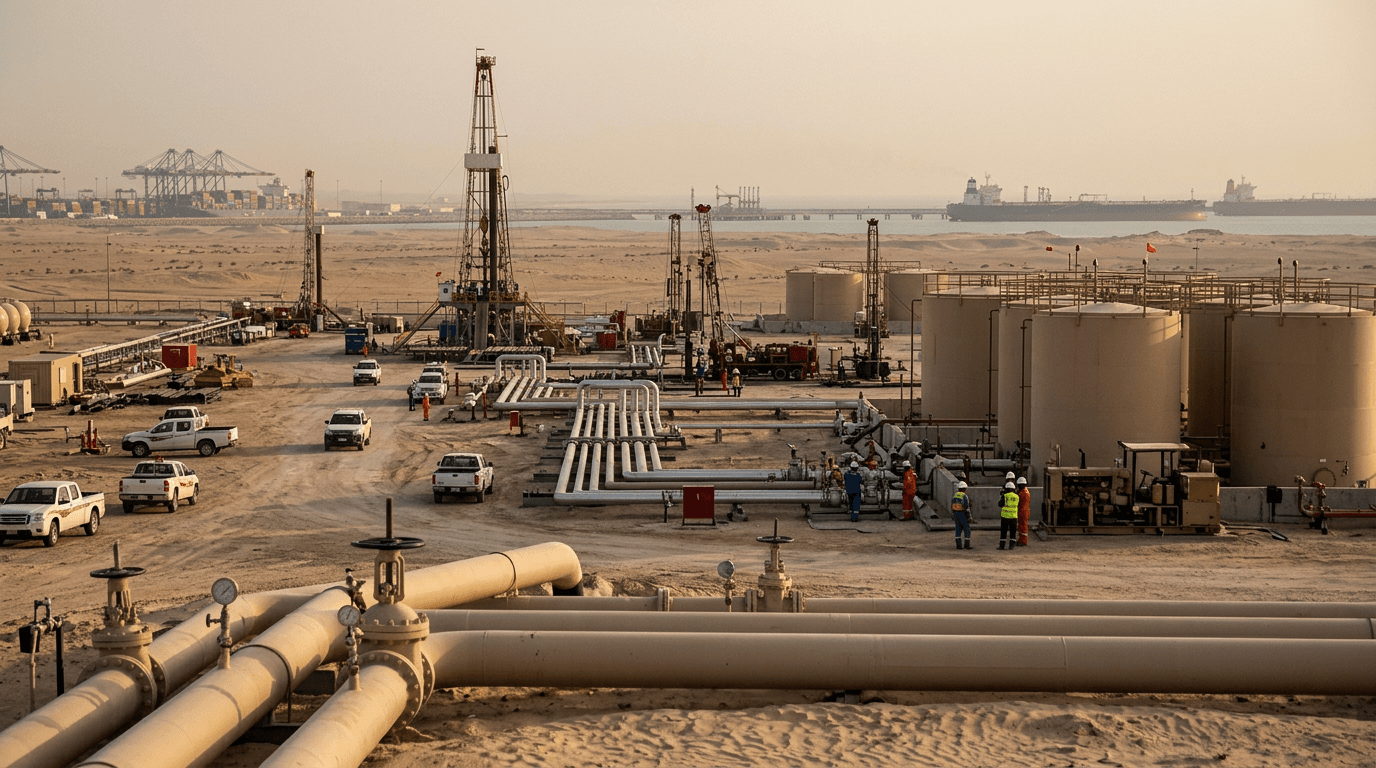
The OPEC+ cartel took a significant step on Sunday, March 1, 2026, when eight of its key members agreed to increase oil production by 206,000 barrels per day starting in April. This decision marks a resumption of output increases following a three-month pause and comes at a critical moment when geopolitical tensions threaten to disrupt one of the world's most vital energy corridors. The move reflects OPEC's attempt to balance market stability with the very real risks now facing global crude supply chains.
The Decision And Its Scope
Eight OPEC+ members—Saudi Arabia, Russia, Iraq, the UAE, Kuwait, Kazakhstan, Algeria, and Oman—gathered virtually to review market conditions and make their production adjustment. The 206,000 bpd increase represents the unwinding of voluntary cuts that were announced in April 2023. According to the official statement, this adjustment reflects OPEC's assessment of a steady global economic outlook and healthy market fundamentals, particularly reflected in current low oil inventories.
The timing is noteworthy. OPEC had paused production increases during the first quarter of 2026 due to seasonal factors, but the organization is now confident enough in market conditions to resume the gradual phase-out of previously implemented cuts. The group maintains flexibility to adjust this approach based on evolving conditions, with the next meeting scheduled for April 5, 2026. This signals that OPEC is watching developments closely and may alter course if needed.
Geopolitical Tensions And The Strait Of Hormuz
The decision cannot be separated from the escalating tensions in the Middle East. Recent U.S. and Israeli military strikes on Iran have triggered Iranian retaliation, and the situation poses a direct threat to the Strait of Hormuz—a waterway through which approximately 20 to 25 percent of the world's seaborne oil and refined products flow daily. This strategic chokepoint makes any disruption an existential threat to global energy security.
The stakes became apparent almost immediately. Iranian Revolutionary Guards reportedly contacted ships to announce the strait was closed, and Iranian state television reported that an oil tanker was struck and sinking. While rhetoric and reality can diverge in such situations, even temporary disruptions to shipping flows through Hormuz could have dramatic impacts on oil prices and availability. Several OPEC+ members—including Saudi Arabia, Iraq, Kuwait, and the UAE—have already accelerated exports in recent weeks, presumably to position themselves ahead of potential supply disruptions.
IS 206,000 BPD ENOUGH?
Market analysts have voiced concerns about whether OPEC's production increase is sufficient to offset potential supply losses from a Hormuz disruption. Before the recent escalation, markets had anticipated a potential crude surplus due to rising production from the Americas. However, the Iran situation has dramatically changed the calculus. Analysts at Rystad Energy warned that the agreed increase might not be large enough to prevent oil price spikes when markets reopened, particularly if actual supply disruptions materialize.
The challenge is one of mathematics and logistics. If Iran successfully restricts traffic through the Strait of Hormuz, preventing the movement of crude supplies far exceeding 206,000 bpd, then simply increasing OPEC production elsewhere offers limited relief. The bottleneck becomes geography, not production capacity. Geopolitical risk and transit risk now matter more than production targets in determining actual market outcomes.
Spare Capacity And Market Flexibility
OPEC+ members, particularly Saudi Arabia and the UAE, hold significant spare production capacity estimated at roughly 2.5 million barrels per day combined. This cushion provides the group with flexibility to respond to supply emergencies if they materialize. However, some analysts caution that even this figure may be optimistic when accounting for maintenance, technical limitations, and practical constraints.
The group indicated it will return more than 1 million barrels per day of previously withheld supply, with the process potentially concluding by late 2026. This gradual approach reflects both confidence in market conditions and caution about moving too quickly. OPEC also confirmed its intention to fully compensate for any volumes overproduced since January 2024, emphasizing its commitment to maintaining credibility with the market.
Implications For Traders And Investors
For those trading energy futures and related commodities, the key takeaway is that OPEC's production increase, while meaningful, may prove insufficient if geopolitical events disrupt shipping through the Strait of Hormuz. Oil prices will likely respond more dramatically to actual developments in the Gulf region and the status of shipping flows than to OPEC's production announcements. The organization has created some breathing room, but market participants should remain vigilant to Middle East developments and be prepared for volatility.
The next few weeks will be critical. If tensions de-escalate and shipping through Hormuz continues unimpeded, OPEC's decision should help moderate price pressures. If disruptions intensify, the 206,000 bpd increase may prove to be a helpful but ultimately insufficient policy response to a supply crisis driven by geopolitical events rather than production capacity constraints.