
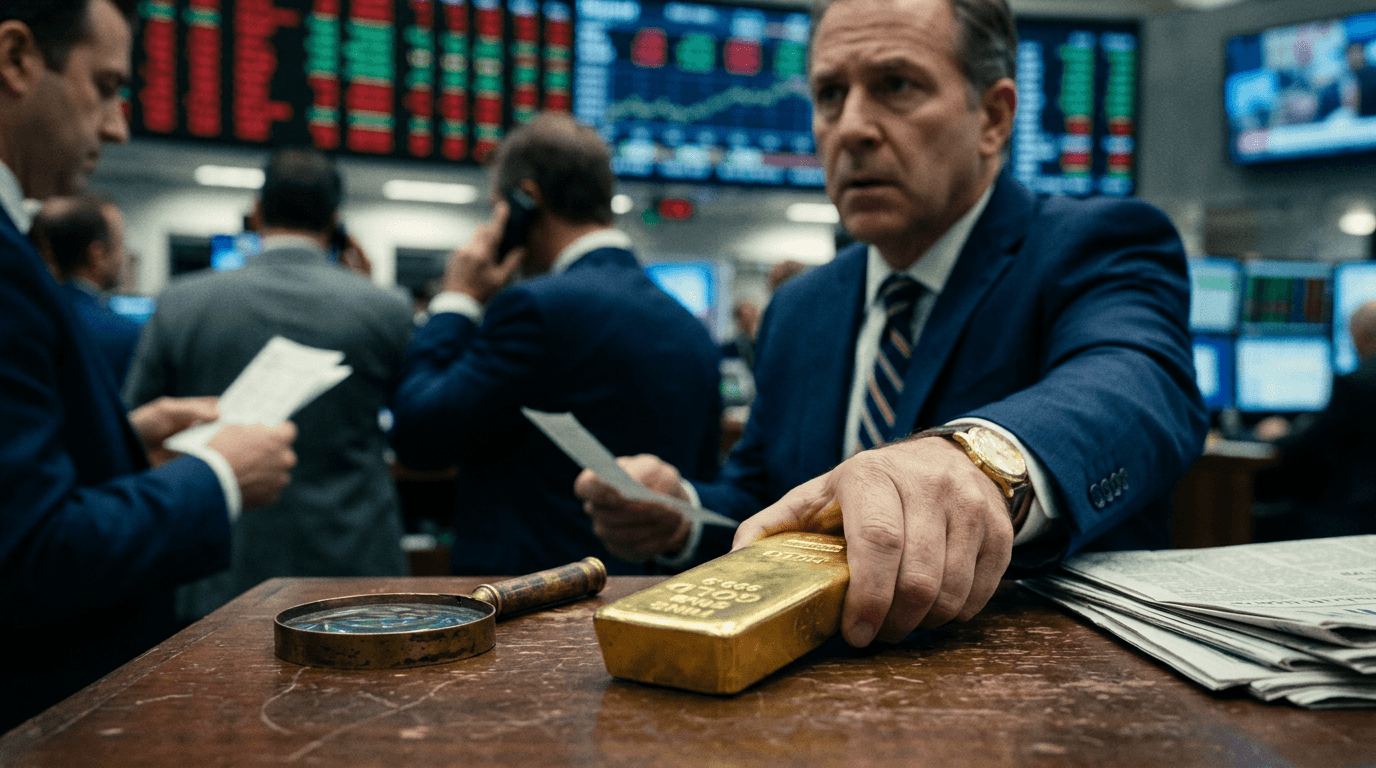
The Trump administration's decision to impose a 10% blanket tariff on imports effective February 24, 2026, marks a significant escalation in trade policy that is reshaping market dynamics across multiple asset classes. This move came swiftly following a Supreme Court ruling that declared the administration's previous emergency tariff authorities illegal, forcing a strategic pivot to alternative legal mechanisms. As markets grapple with this new reality, investors are reassessing portfolio allocations, with traditional safe-haven assets like gold gaining substantial momentum amid elevated trade tensions and economic uncertainty.
UNDERSTANDING THE 10% TARIFF FRAMEWORK
On February 24, 2026, President Trump implemented a temporary import duty of 10% ad valorem on articles imported into the United States under Section 122 of the Trade Act of 1974[6]. This represents a broad-based approach rather than targeted sector-specific measures, applying to most countries and goods entering American markets. The proclamation carries a critical time limitation: these temporary duties are authorized for a maximum period of 150 days, after which congressional approval would be required for extension[4].
The tariff framework includes strategic exemptions designed to protect critical supply chains and maintain economic stability. Certain goods are excluded from the duty structure, including critical minerals, metals used in currency and bullion, energy products, pharmaceuticals, electronics, and other essential inputs[4][6]. Additionally, goods compliant with USMCA standards from Canada and Mexico maintain their exempt status, demonstrating that the administration is preserving existing trade agreement benefits while implementing broader protectionist measures[4].
THE RAPID ESCALATION TO 15% AND FUTURE THREATS
Shortly after announcing the 10% baseline tariff, President Trump signaled an aggressive escalation path. The president declared intentions to raise tariffs to 15% for select trading partners, with US Trade Representative Jamieson Greer indicating that some countries could face even higher rates[2]. Trump announced this increase would be "fully allowed and legally tested 15% level," positioning the escalation as a measured response within his constitutional authority[3].
The administration's stated approach acknowledges that certain countries with existing trade agreements may receive accommodation, though specific details remain limited[2]. This selective application suggests the tariff structure serves both protectionist and negotiating purposes, with the potential to incentivize foreign governments toward more favorable trade terms. The 15% increase is threatened to take effect on July 24, 2026, providing a timeline that spans several months of current 10% baseline implementation[1].
Why Gold Surges During Trade Conflict
The sharp movement in gold prices amid these tariff announcements reflects a fundamental market principle: precious metals serve as inflation hedges and safe-haven assets during periods of economic uncertainty. Trade wars and tariffs create dual inflationary pressures—higher import costs for consumers and businesses, plus potential retaliatory measures that disrupt supply chains. These dynamics historically drive investors toward gold as a value-preservation strategy.
Additionally, tariff conflicts typically weigh on equity markets and currency stability, as demonstrated by market reactions in the days following these announcements. When investors anticipate slower economic growth, higher corporate costs, and potential recession risks, they rotate capital toward assets perceived as insulated from these pressures. Gold's lack of correlation with equity performance and its status as a universal store of value make it particularly attractive during trade-driven volatility. The near-1% surge to $5,189 per ounce reflects this classic flight-to-safety behavior as market participants position for sustained trade tensions.
Market Implications And Strategic Takeaways
For traders and investors, the current environment presents both risks and opportunities worth careful consideration. The 150-day authorization window means tariff policy remains in flux, with escalations to 15% and potentially higher rates creating significant uncertainty for import-dependent sectors including automotive, electronics, retail, and manufacturing. Companies with supply chains heavily exposed to Chinese imports face particular pressure given that nation's critical role in global manufacturing[1].
The tariff structure's exemptions for critical minerals and energy products signal administration priorities around domestic resource security and renewable energy transitions. Investors tracking energy stocks, renewable technology firms, and domestic mineral producers should note that tariff protections may create competitive advantages for American-domiciled producers. Conversely, export-oriented companies and importers face margin compression as they absorb higher input costs or face demand destruction from price-sensitive consumers.
The legal framework matters significantly here. By anchoring tariffs to Section 122 rather than emergency powers, the administration has positioned itself within more defensible legal territory, though foreign interests will likely challenge these measures through trade organizations and courts[2]. This means tariff rates could shift based on litigation outcomes, adding another layer of policy uncertainty.
Positioning For Sustained Volatility
As we progress through this 150-day period toward the threatened July 24 escalation date, market volatility will likely remain elevated. Precious metals, particularly gold, will probably continue functioning as portfolio insurance against adverse trade developments. Diversification across asset classes less correlated with equities becomes increasingly valuable when trade policy uncertainty dominates headlines.
Companies and investors should monitor announcements regarding country-specific accommodations and sector exemptions, as these details will determine competitive positioning and profit margin outcomes across industries. The tariff environment we're entering represents a structural shift in trade policy that could persist well beyond the current 150-day window, making strategic adaptation essential rather than optional.