
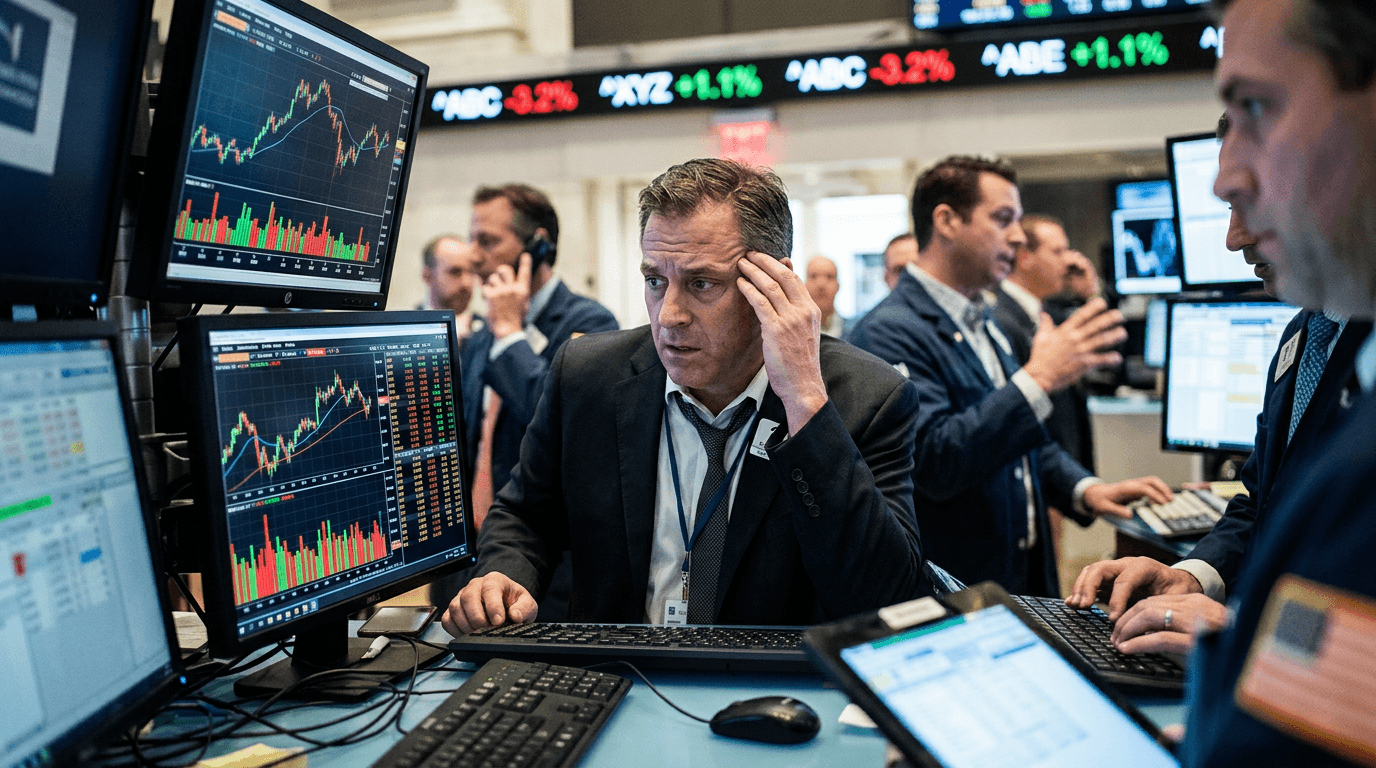
US consumer sentiment is flashing a warning signal: households are feeling squeezed, worried about prices, and increasingly cautious about spending. At the same time, their expectations for inflation – both over the next year and over the longer term – remain uncomfortably high. That mix of fragile demand and elevated price fears is exactly the kind of combination that keeps central bankers, and markets, on edge.[2][5]
Why This Sentiment Report Matters
The University of Michigan’s Consumer Sentiment Index is one of the most closely watched gauges of how American households feel about their finances, the economy, and the outlook for spending.[6][7] It tends to move in lockstep with big macro trends like fuel prices, employment conditions, and political uncertainty.[9]
Because consumer spending accounts for roughly two‑thirds of US GDP, swings in sentiment can be an early warning for shifts in demand. When confidence deteriorates, households are more likely to delay big-ticket purchases, trade down in brands, or build up precautionary savings – all of which can slow growth.
For traders, this survey also matters because it includes questions on inflation expectations. Persistent moves higher in those expectations are especially important for the Federal Reserve: if households start to believe that higher inflation is here to stay, it becomes harder for the Fed to bring inflation back to its 2% target without tighter policy for longer.
What The Latest Numbers Are Telling Us
The latest Michigan survey showed a sharp deterioration in mood. The headline Index of Consumer Sentiment fell to 44.8 in May from 49.8 in April, marking a third straight monthly decline and the lowest reading on record.[2][5] For perspective, the long‑term average since the 1950s is around 84, and even during past recessions the index has often stayed well above current levels.[2]
The pain is broad-based across the survey:
- The Current Economic Conditions index dropped from 52.5 to 45.8, signaling that households feel materially worse about their finances and the buying climate compared with just a month earlier.[5]
- The Index of Consumer Expectations slipped to 44.1 from 48.1, a sign that pessimism is spreading to the 6‑12 month outlook.[5]
A major driver is the cost of living. A rising share of respondents – 57% – spontaneously cited high prices as eroding their personal finances, up from 50% the previous month.[5] Lower-income consumers and those without college degrees saw the steepest drops in sentiment, reflecting their higher sensitivity to essentials like gasoline and food.[2][5]
Geopolitical tensions are compounding the problem. Supply disruptions in the Strait of Hormuz have pushed gasoline prices higher, amplifying the hit to disposable incomes and confidence.[2][5] Energy price shocks tend to have an outsized psychological impact because they are so visible – consumers see them every time they fill up.
Fragile Demand: How Weak Sentiment Hits The Real Economy
When sentiment falls to levels this low, it is not just a “soft” indicator; it often foreshadows real changes in spending patterns.[9] Households under pressure from high prices typically respond in three ways:
First, they cut discretionary spending. Travel, dining out, non-essential retail, and upgrades in consumer electronics are often the first to be postponed. That can weigh on corporate revenues in consumer-facing sectors, even if the labor market remains relatively resilient.
Second, they become more price‑sensitive. Consumers trade down from premium brands to cheaper alternatives, increase coupon usage, and shift purchases to discount retailers. Corporate earnings dispersion tends to widen as companies with stronger pricing power or low-cost positioning outperform.
Third, they rethink big-ticket purchases. High financing costs plus poor sentiment can delay decisions on cars, home renovations, and durable goods. Auto and housing-related sectors are particularly exposed when confidence is weak and interest rates are high.
For macro traders, this fragile demand backdrop suggests growth risks are skewed to the downside, even if the official data on jobs and output have not yet rolled over. It also means that incoming hard data on retail sales, personal consumption, and corporate earnings deserve close scrutiny for confirmation of the sentiment signal.
Inflation Expectations And The Fed Policy Path
If weak sentiment were accompanied by collapsing inflation fears, the Fed’s job would be easier. The problem is that inflation expectations in this survey are moving the wrong way.[5]
Year-ahead inflation expectations ticked up to 4.8% in May from 4.7% the month before.[5] More concerning for policymakers, long-run inflation expectations climbed to 3.9% from 3.5%, breaking above the 2.8–3.2% range that prevailed through 2024.[5] In other words, households increasingly believe that inflation will remain well above the Fed’s 2% target for years to come.
History shows that when long-run expectations drift higher, inflation tends to become more persistent and costly to bring down. If consumers expect prices to keep rising, they are more likely to accept higher prices, demand bigger wage increases, and bring forward purchases – all behaviors that can entrench inflation.
For the Fed, this creates an uncomfortable trade-off:
- On one side, weak sentiment and fragile demand argue for caution on further tightening, and eventually for rate cuts to support growth.
- On the other, elevated and rising inflation expectations argue for staying restrictive longer, or at least for avoiding a premature easing that might reignite price pressures.
This tension helps explain why the latest sentiment and expectations data have injected volatility into US rate futures, as traders reprice the timing and pace of any future Fed cuts. It also feeds into swings in the US dollar, as shifting rate expectations alter the relative appeal of dollar assets.
Market And Trading Implications
For markets, the combination of fragile demand and sticky inflation fears is inherently unstable. It points toward higher volatility across asset classes rather than a straightforward trend.
In US rates, the data encourage a “higher for longer” narrative on the policy rate, even as growth risks creep higher. That can flatten or even invert parts of the yield curve, as short‑dated yields stay elevated while longer maturities start to price in slower growth and eventual easing.
In FX, the dollar tends to benefit when markets price in tighter policy relative to other major central banks, but that support can be offset if investors begin to worry more about US growth downside. That helps explain why dollar pairs have reacted sharply around the release, as traders digest whether the Fed will prioritize inflation expectations or demand risks in its next steps.
In equities, sectors most exposed to discretionary spending may face headwinds, while defensive and value names with stable cash flows can become relatively more attractive. Companies with strong cost control and pricing power are better positioned in an environment where consumers are strained but inflation remains elevated.
For traders and those practicing in simulated finance environments, several practical takeaways stand out:
- Treat the Michigan survey as a key event risk. It can move FX, rates, and index futures within minutes of release, particularly when inflation expectations surprise.
- Watch the interaction between sentiment and hard data. If weak sentiment begins to show up in spending and earnings, the growth narrative can shift quickly.
- Map scenarios around the Fed’s reaction function. Higher inflation expectations with weak demand create a wide range of possible policy paths – ideal conditions for scenario-based strategy testing.
Ultimately, this latest report underlines that the US economy is navigating a narrow path: households are under strain, yet inflation psychology has not fully normalized. For markets, that means more uncertainty, more data dependence, and more opportunities for traders who can connect these sentiment signals to the evolving policy and macro backdrop.