
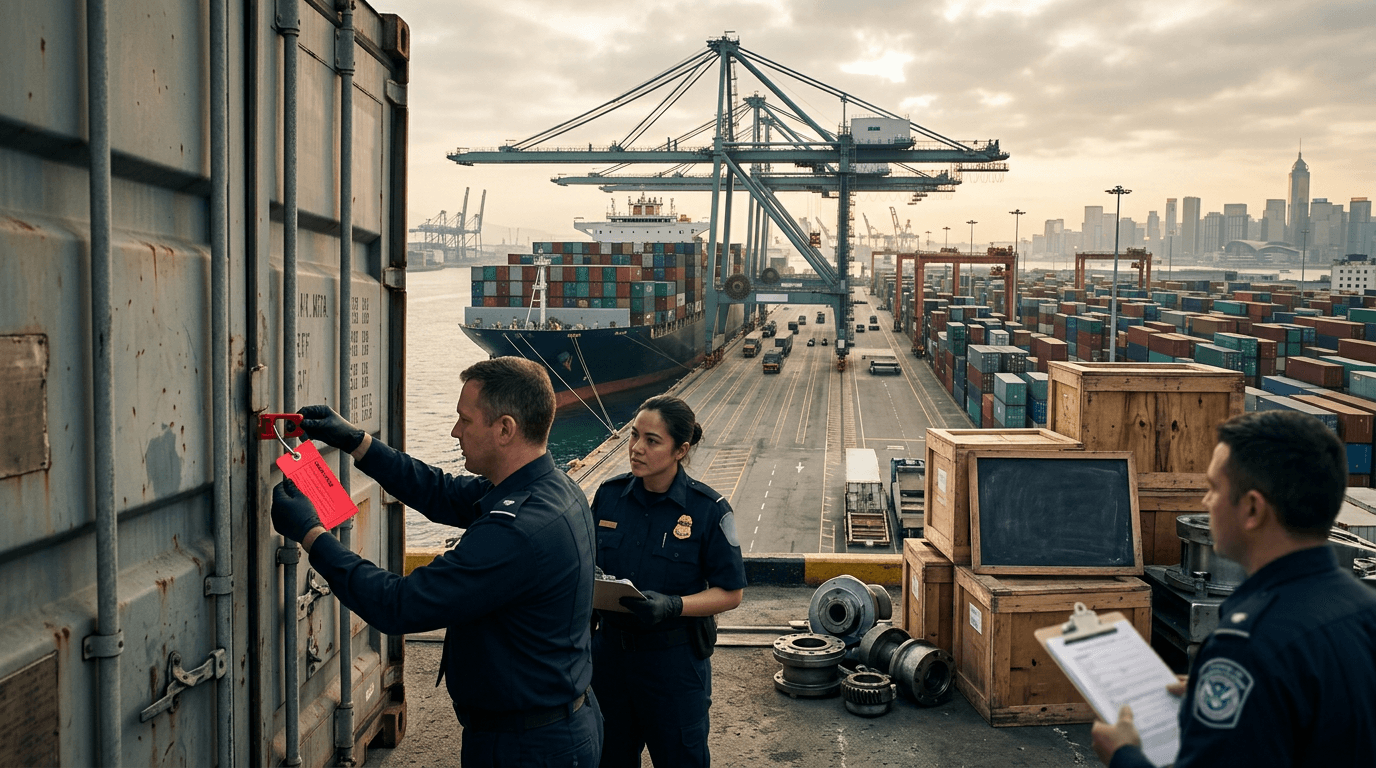
The Trump Administration has moved decisively to implement a broad-based trade policy following a significant legal setback. After the Supreme Court limited the President's ability to impose tariffs under the International Emergency Economic Powers Act on February 20, 2026, the administration pivoted to an alternative legal framework, invoking Section 122 of the Trade Act of 1974 to impose a 10% ad valorem global import surcharge effective February 24, 2026.[1][2] This action marks a critical moment for traders, businesses, and currency markets as the US continues reshaping its approach to international trade relationships.
THE 10% TARIFF: SCOPE AND TIMELINE
The newly implemented tariff applies to virtually all goods imported into the United States unless they fall within specific exempted categories.[1] The measure took effect at 12:01 a.m. ET on February 24, 2026, and will remain in place through July 24, 2026—a 150-day window that can be modified, extended, or terminated by Congress or the President.[1][2] What makes this action particularly significant is the legal authority being invoked. Section 122 of the Trade Act of 1974 permits the President to impose temporary surcharges up to 15% ad valorem when addressing what the government characterizes as "large and serious" balance-of-payments deficits.[1] The current 10% rate leaves room for escalation, and the administration's framing suggests future increases remain possible within this statutory window.
The administration has justified this measure as a necessary correction to the US balance-of-payments deficit and a tool to incentivize the return of domestic manufacturing.[2] By increasing the cost of imported goods, policymakers argue, American consumers and businesses will shift purchases toward domestically produced alternatives, reducing the outflow of dollars to foreign producers. Whether this theory holds in practice will significantly impact markets and economic conditions over the next five months.
Critical Exceptions And Their Importance
The tariff is not universal, and understanding the enumerated exceptions is essential for traders and importers. The proclamation specifically exempts certain critical minerals, energy products, pharmaceuticals, specified electronics, and passenger vehicles along with qualifying parts.[1][2] Additionally, goods qualifying for duty-free treatment under the United States-Mexico-Canada Agreement (USMCA) or the Central America-Dominican Republic Free Trade Agreement (CAFTA-DR) remain exempt from this 10% surcharge.[1]
One particularly important carve-out involves goods already in transit before February 24, 2026. Merchandise that was loaded onto vessels and in transit on the final mode of transport prior to US entry, and subsequently entered for consumption by February 28, 2026, qualifies for an in-transit exemption.[1] This created a critical four-day window that affected businesses moving goods through US ports, and many companies likely prioritized expedited entry during this period.
The exceptions are deliberately constructed to protect supply chains deemed essential for national security, economic stability, or domestic agricultural and manufacturing needs. However, the specificity of these exemptions also highlights how targeted this tariff regime is—broad enough to affect most import categories, but surgical enough to protect politically and economically sensitive sectors.
Impact On Foreign Exchange Markets And Trading Dynamics
For currency traders and global macro strategists, the 10% tariff carries significant implications for foreign exchange volatility. Trade-linked currencies—particularly those of major US trading partners in Asia, Europe, and North America—face pressure from expectations of reduced import demand and broader economic adjustment.[2] The tariff effectively increases the cost basis for imported goods, which can suppress demand and dampen economic activity in export-dependent countries.
The Mexican peso, Canadian dollar, Chinese yuan, and euro are particularly sensitive to tariff developments given the trade relationships these countries maintain with the United States. A prolonged 150-day tariff at this level, or worse, an escalation to the statutory maximum of 15%, could sustain currency weakness across these pairs. Conversely, the US dollar may experience support as capital seeks shelter in the world's largest economy and reserve currency.
Traders should also monitor cross-asset correlations. Tariff-sensitive equity sectors—including automotive, electronics manufacturing, and consumer discretionary—may experience volatility. The higher cost of imported inputs could trigger inflation concerns, affecting interest rate expectations and Treasury yields, which in turn influences currency valuations.
Actionable Steps For Traders And Businesses
The next 150 days require active management of tariff exposure. Businesses should conduct detailed assessments of their supply chains to determine which imports fall within exempt categories and which face the 10% surcharge.[1] Those claiming exemptions must prepare thorough documentation to substantiate eligibility. Similarly, companies should verify rules of origin and certification processes to claim USMCA and CAFTA-DR preferences where applicable, as these provide critical tariff relief.[1]
From a trading perspective, currency volatility around tariff-sensitive sectors presents both risk and opportunity. Long volatility strategies may benefit from sustained uncertainty over the 150-day period. Traders should monitor announcements from the Office of the United States Trade Representative, which may signal additional tariff actions or modifications to the current regime. The administration has directed the USTR to investigate unfair trade practices, signaling that Section 301 tariffs could be implemented alongside this Section 122 measure, potentially widening the scope of US tariff policy.
Conclusion
The 10% global import tariff represents a substantial policy shift with implications extending far beyond routine trade administration. With statutory authority permitting escalation to 15% and a 150-day window for potential extension, the current environment demands vigilance from traders monitoring currency exposure and business leaders managing supply chain costs. The coming weeks will reveal whether this measure successfully rebalances US trade relationships or triggers broader economic disruption.