
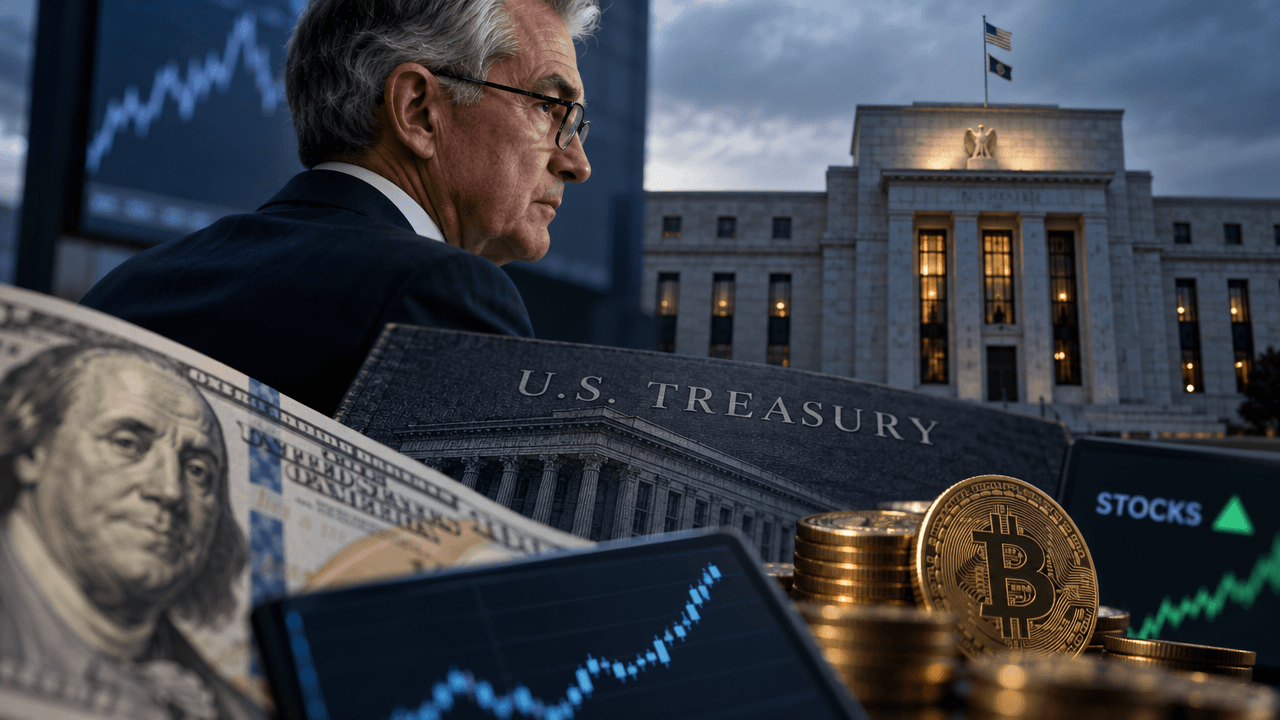
Markets are pricing a near-certain Federal Reserve rate hike in December, with the implied probability of a quarter-point increase reaching approximately 95.4% on November 18. That expectation marks a sharp shift from earlier uncertainty and is already influencing the U.S. dollar, Treasury yields, equity futures, commodities, and cryptocurrencies. [10]
For traders, however, a highly probable decision does not mean the market reaction is guaranteed. Much of the expected move may already be reflected in prices. The bigger question is what the Federal Reserve says about the path beyond December.
Why Markets Expect A December Hike
Recent economic information has strengthened the case for additional tightening. Strong employment data, firm inflation, and comments from Federal Reserve officials have encouraged traders to expect another increase at the December 8–9 meeting.
Governor Christopher Waller has indicated support for at least a quarter-point increase and has suggested that a larger move could be considered if inflation remains elevated. Other officials have also signaled that additional rate increases may be necessary. These comments have reinforced the idea that policymakers are more concerned about persistent inflation than about slowing growth.
Market pricing currently implies that a 25-basis-point increase is the most likely outcome, while the remaining probability is largely assigned to a larger 50-basis-point move. A pause has become a low-probability scenario in futures markets. [8]
This distinction matters. A quarter-point hike is widely anticipated, so the announcement itself may produce a limited reaction. The tone of the policy statement, the updated projections, and the press conference could matter more than the decision.
What The Move Means For The Dollar And Bonds
Higher interest-rate expectations generally support the U.S. dollar because they increase the potential return on dollar-denominated assets. The dollar index has recently strengthened as traders raised their forecasts for December tightening. A stronger dollar can affect nearly every major market, from foreign exchange and commodities to emerging-market assets.
Treasury yields have also moved higher. The 10-year yield recently traded near 5.10% to 5.15%, while shorter-term yields reacted to the market’s expectations for immediate Federal Reserve policy. [3] The two-year Treasury yield is particularly sensitive to changes in expectations for the federal funds rate.
Rising yields can create pressure across risk assets. Higher bond yields make conservative investments more attractive relative to stocks and can increase the discount rate applied to future corporate earnings. Growth-oriented technology shares are especially sensitive because much of their valuation depends on expected cash flows far into the future.
For traders, the key issue is whether yields continue rising after the decision. If the Fed hikes as expected but signals that the tightening cycle is nearly complete, yields could stabilize or even fall. If officials indicate that more increases are likely in January or beyond, yields and the dollar could extend their gains.
Why Crypto And Other Risk Assets Are Vulnerable
Cryptocurrency markets often respond negatively to tighter financial conditions. Higher interest rates can reduce the appeal of speculative assets and encourage investors to hold cash or short-term government securities instead.
Bitcoin has remained under pressure as the dollar strengthened and Treasury yields climbed. Recent market reports placed Bitcoin near $64,600 to $64,900, while the 10-year Treasury yield rose from approximately 4.84% to around 5.10% during the same period. [10]
This does not mean a rate hike automatically causes a crypto selloff. Markets can rally during tightening cycles if investors believe economic growth is strong or if the policy decision removes uncertainty. The reaction depends on whether the final message is more hawkish or more reassuring than traders expected.
Equities, precious metals, and other risk-sensitive markets face a similar dynamic. Gold can struggle when real yields and the dollar rise, while stock indexes may become more volatile as investors reassess valuations and future earnings.
Catalysts To Watch Before The Decision
The Fed’s meeting minutes are one of the most important upcoming catalysts. Minutes can reveal whether officials broadly support further tightening or whether disagreement is growing within the committee. A more hawkish tone could strengthen the dollar and push yields higher, while evidence of caution could produce the opposite reaction.
Housing data also deserves attention. Higher mortgage rates have already increased borrowing costs for households, and weaker housing activity could provide evidence that previous tightening is slowing the economy. Strong housing figures, however, could support the argument that the economy can withstand additional rate increases.
Inflation-sensitive developments will remain central. Future consumer-price, producer-price, and personal-consumption data could influence expectations for both the size of the December move and the timing of possible follow-up hikes. Market participants will also monitor retail sales, employment indicators, and comments from Fed officials.
Practical Takeaways For Simfi Traders
First, avoid treating a 95% probability as a guaranteed trading signal. A market can move sharply even when the expected decision occurs because prices respond to surprises in the statement and press conference.
Second, monitor the dollar and Treasury yields together. A rising dollar combined with higher yields often creates a more difficult environment for equities, commodities, and crypto. A falling dollar and stabilizing yields may indicate that traders are looking beyond the immediate hike.
Third, define risk before major announcements. Wider spreads, fast price movements, and sudden reversals can make position management more difficult during rate decisions. Smaller position sizes and predetermined exit levels can help reduce emotional trading.
Finally, separate the event from the trend. The December hike may be priced into markets already, but the Fed’s guidance about January and the first quarter could determine the next major directional move.
Conclusion
Markets are sending a clear message: a December Federal Reserve rate hike is now the base-case scenario. Yet the most important information may come after the headline decision. Traders will be watching inflation, housing, Fed minutes, Treasury yields, and official guidance for clues about how long restrictive policy will continue.
For SimFi traders, this environment provides a valuable opportunity to study how expectations move markets before an event and how price action changes once uncertainty is removed. The strongest approach is not simply predicting the rate decision, but preparing for multiple outcomes and managing risk when volatility increases.