

Economy
Bank of England Raises Rates to 4% as Inflation Pressure Intensifies
The Bank of England’s first rate hike since 2023 reshapes expectations for sterling, gilts, equities and rate-sensitive assets as inflation remains elevated.
Global economic news, central bank decisions, inflation data, and macroeconomic analysis affecting financial markets worldwide.
The Bank of England’s first rate hike since 2023 reshapes expectations for sterling, gilts, equities and rate-sensitive assets as inflation remains elevated.

ADP reported 86,000 private-sector jobs in October, beating forecasts. Here’s what the data means for the labor market, Fed policy and traders.

U.S. productivity rose 3.6% in Q3 while unit labor costs fell 0.7%, strengthening growth prospects and reshaping expectations for inflation, Treasury yields, and Fed policy.

Preliminary forecasts pointing to higher U.S. inflation could delay rate cuts, lift bond yields, and increase volatility across stocks and other risk assets.

Germany’s factory orders rebounded, but construction activity weakened sharply. Here’s what the conflicting signals mean for European markets and SimFi traders.

The US services sector expanded again in October, but slower momentum and persistent price pressures leave markets focused on the upcoming employment report.
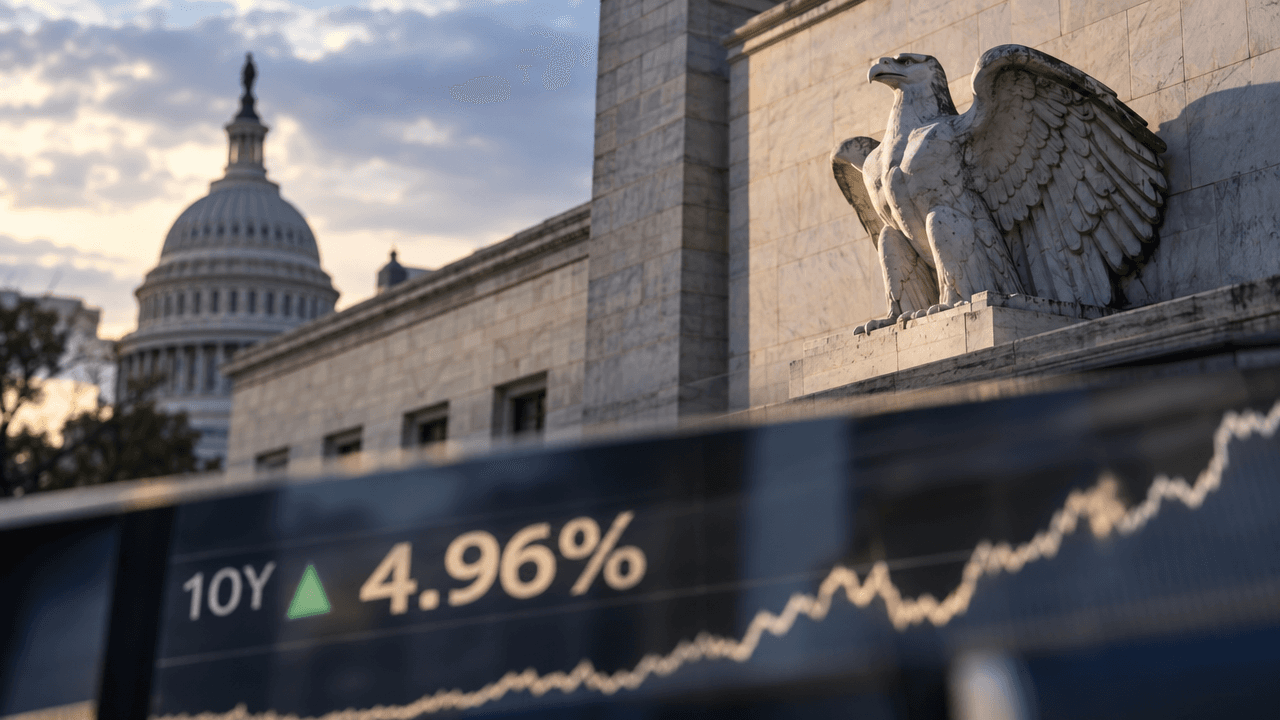
Stronger-than-expected JOLTS data pushed the 10-year Treasury yield toward 4.96%, reviving expectations that the Fed may keep rates higher for longer.

With claims expected at 197,000 versus 194,000 previously, Thursday’s report could shift expectations for the dollar, Treasury yields, equities and Federal Reserve policy.

New Zealand’s unemployment rate reached 5.7%, weakening the kiwi and reducing expectations for further rate hikes. Here’s what the labour data means for markets and SimFi traders.