
Economy
Understanding the Shift: China's Treasury Moves and Dollar Weakness
The US dollar reaches a 1.5-week low as China signals reduced Treasury exposure amidst rising geopolitical tensions, reshaping currency markets and investor strategies.
Global economic news, central bank decisions, inflation data, and macroeconomic analysis affecting financial markets worldwide.
The US dollar reaches a 1.5-week low as China signals reduced Treasury exposure amidst rising geopolitical tensions, reshaping currency markets and investor strategies.

December CPI met expectations with 2.7% headline and 2.6% core inflation. While stable readings support the Fed's pause, fiscal and tariff risks could reignite pressures in early 2026.

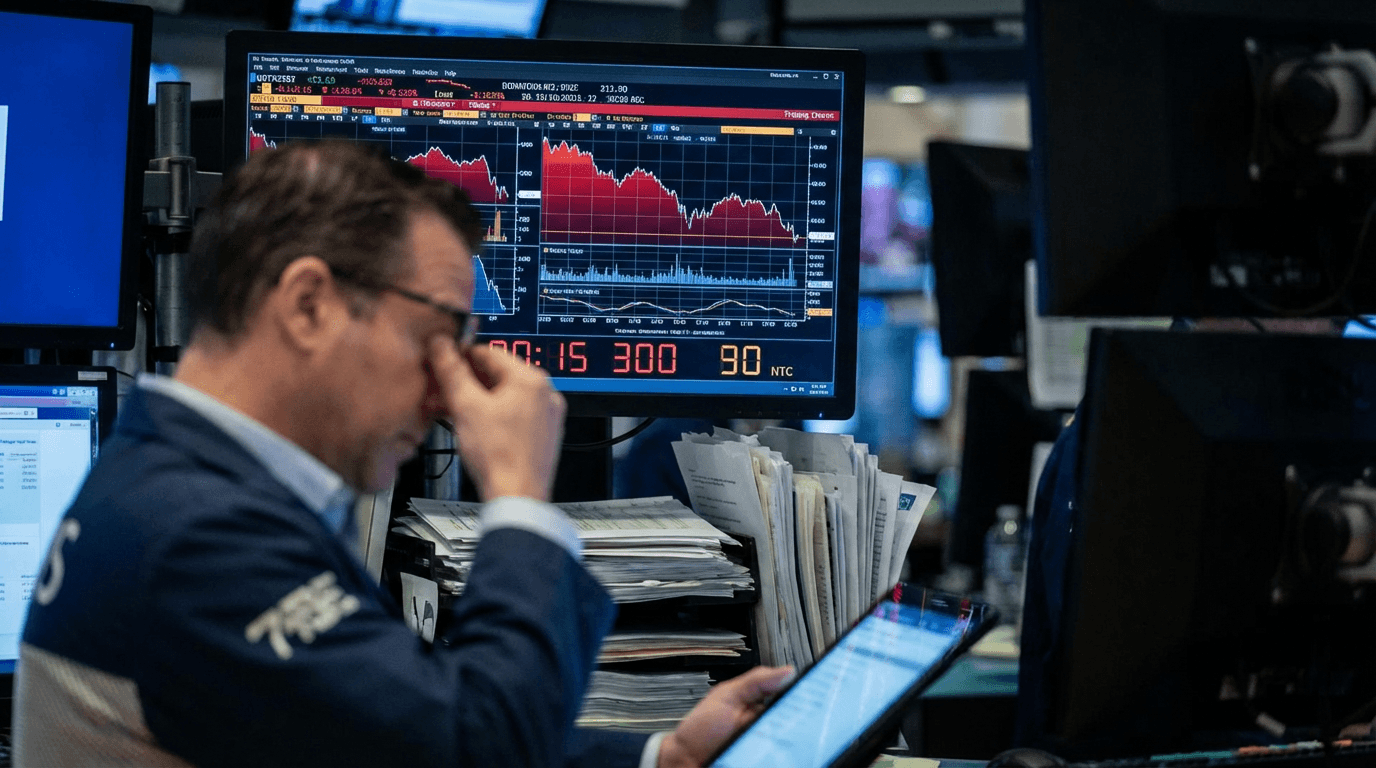
January's 108,435 job cuts mark the worst month since 2009, while new hiring collapsed to historic lows. Here's what market participants need to know.
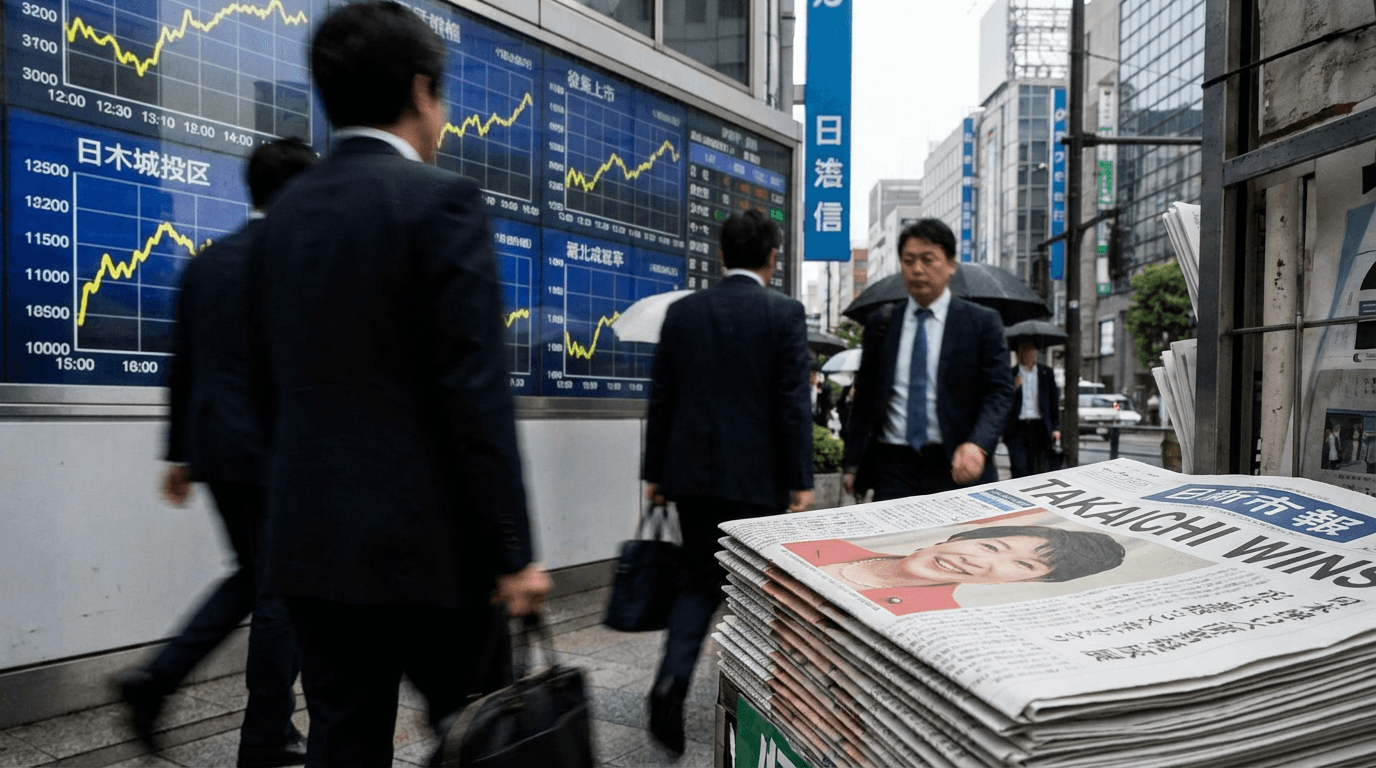
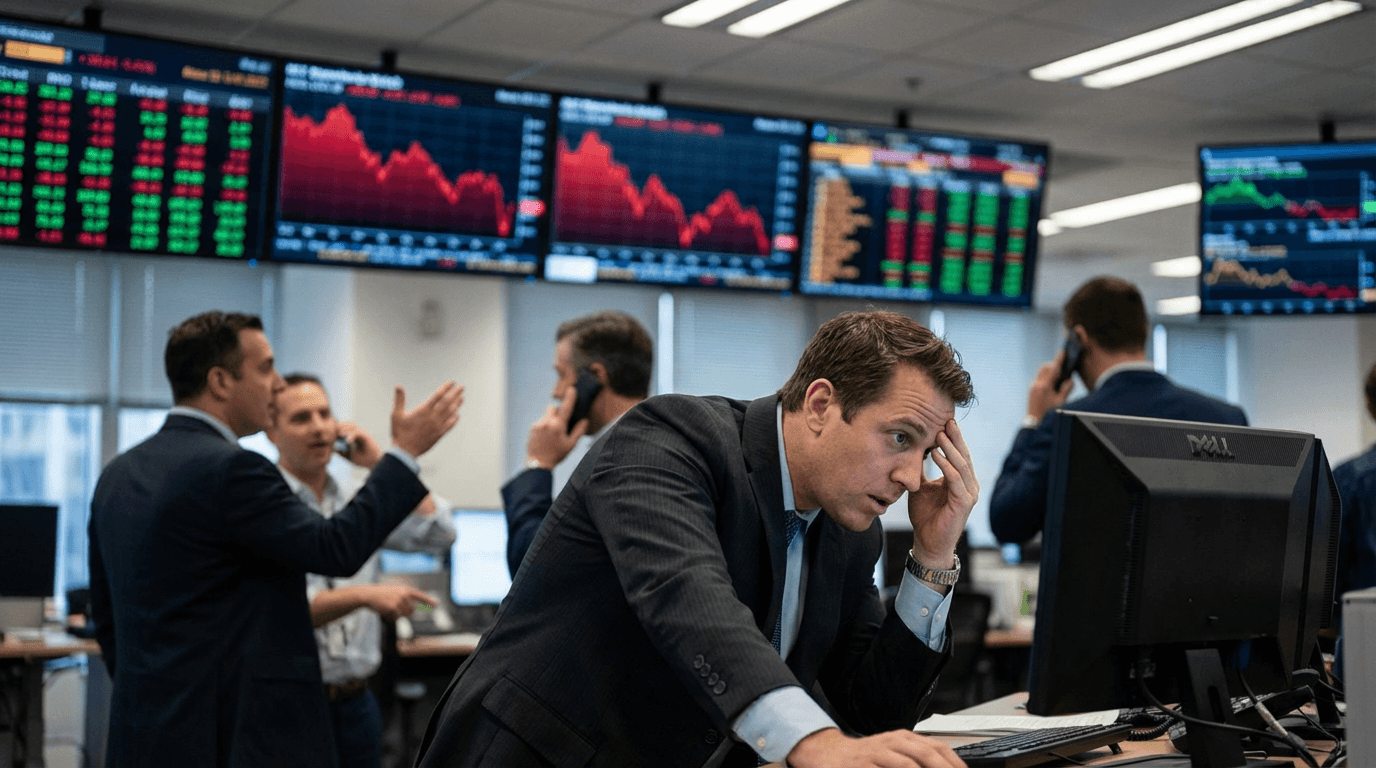
Recent labor market deterioration has spurred sharp declines in Treasury yields, with markets now pricing in Federal Reserve rate cuts starting mid-2026 amid evolving economic expectations.

The Bank of Israel is strategically reducing interest rates, aligning with easing inflation and robust economic recovery, indicating a new financial chapter post-ceasefire.
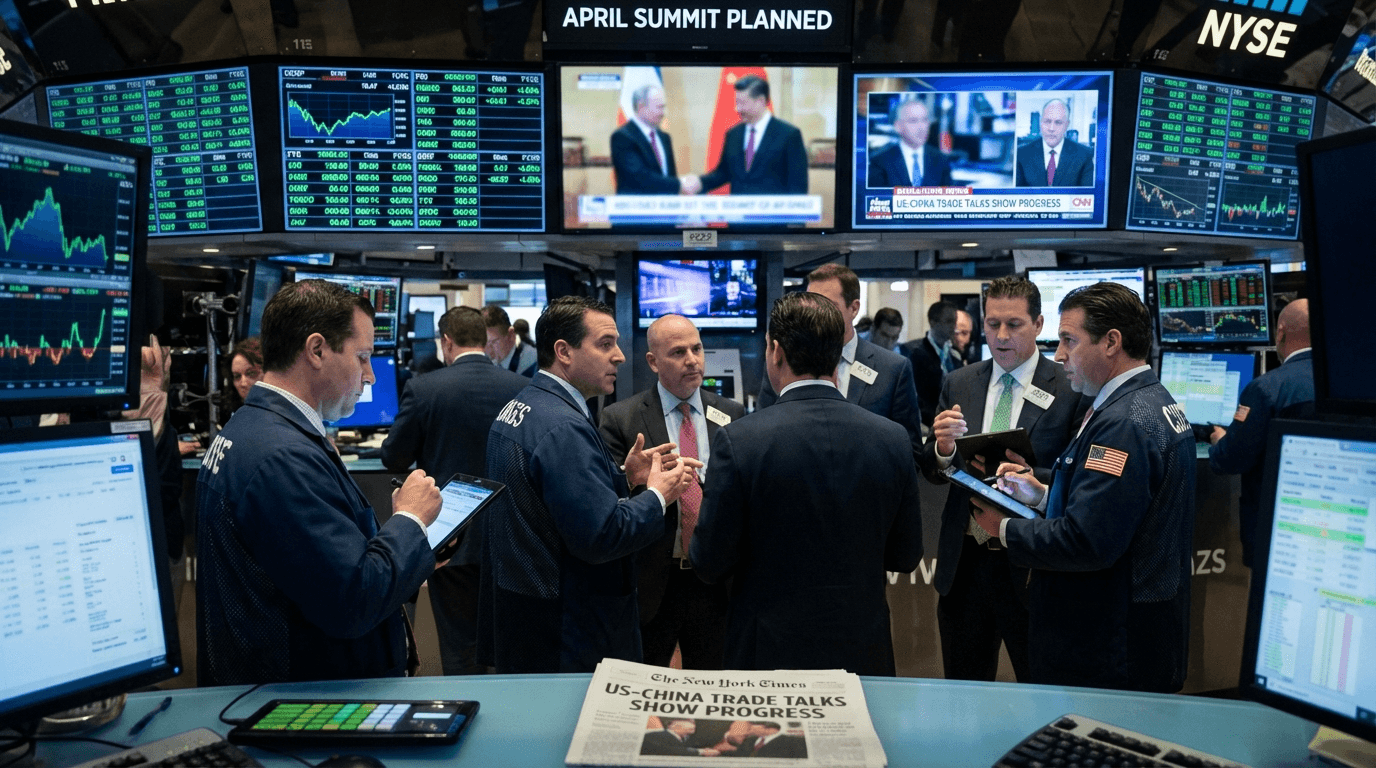
Trump and Xi Jinping held constructive talks on trade, Taiwan, and geopolitics, with an April summit scheduled. What traders need to know about market implications.

President Trump has warned Iran's leader he "should be very worried" as critical negotiations begin Friday in Muscat. With competing demands on nuclear programs, missiles, and regional influence, these talks could shape geopolitical stability and global market dynamics.

Australian exports and imports stabilized in December, with exports up 1% and imports down 0.8%, signaling trade resilience and commodity strength for 2026 traders.