

Economy
Singapore’s New Stablecoin Rules: What Traders Need To Know
Singapore’s stricter stablecoin framework is forcing issuers to rethink licensing and will reshape liquidity, collateral, and trading opportunities across Asian crypto markets.
Global economic news, central bank decisions, inflation data, and macroeconomic analysis affecting financial markets worldwide.
Singapore’s stricter stablecoin framework is forcing issuers to rethink licensing and will reshape liquidity, collateral, and trading opportunities across Asian crypto markets.

Strong U.S. payrolls have reshaped Fed expectations, lifted the dollar, and created a rich macro environment for multi-asset and simulated trading.

A big upside surprise in August U.S. jobs has lifted odds of a September Fed hike, pressuring risk assets and boosting the dollar as traders rapidly reprice the policy path.

A stronger‑than‑expected US jobs report knocked Bitcoin back below 80K, highlighting how labor data, Fed expectations, and liquidity now drive sharp crypto whipsaws.
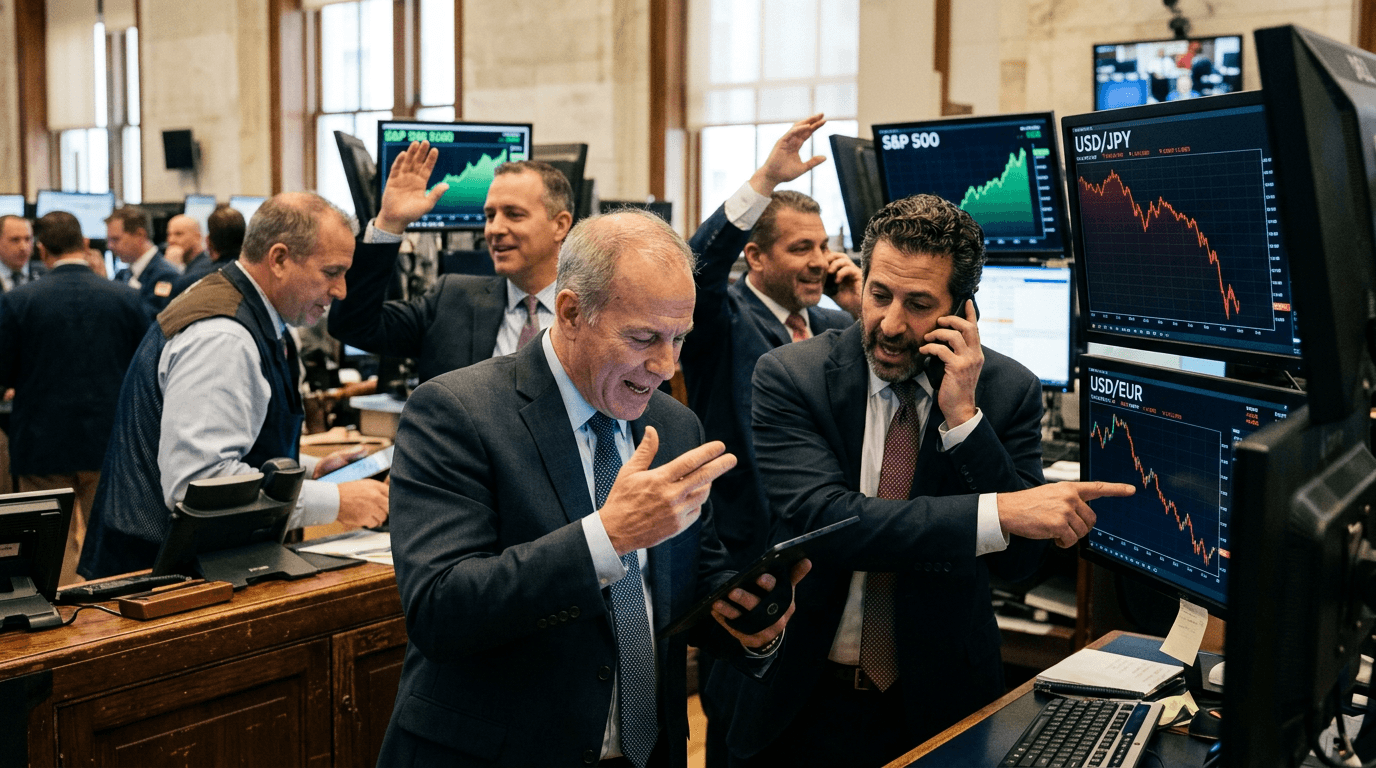
Fed Governor Waller’s conditional support for a rate pause has knocked the dollar lower, lifted risk assets, and reshaped FX and rates expectations ahead of the next FOMC.

A fresh jump in Eurozone producer prices highlights ongoing inflation risks, reshaping ECB rate expectations and driving moves in the euro, bonds, and inflation-linked products.

Softer Fed hike expectations boosted Asian equities, strengthened the yen and lifted Treasuries and gold, offering traders a live case study in cross-asset macro positioning.

Russia’s massive 136.2B FX intervention puts ruble stability back in focus and reshapes emerging‑market FX dynamics, offering rich scenario‑testing ground for traders and SimFi participants.

Strong August services and composite PMIs signal broadening Japanese growth, supporting yen and Nikkei futures and reshaping BOJ policy expectations.