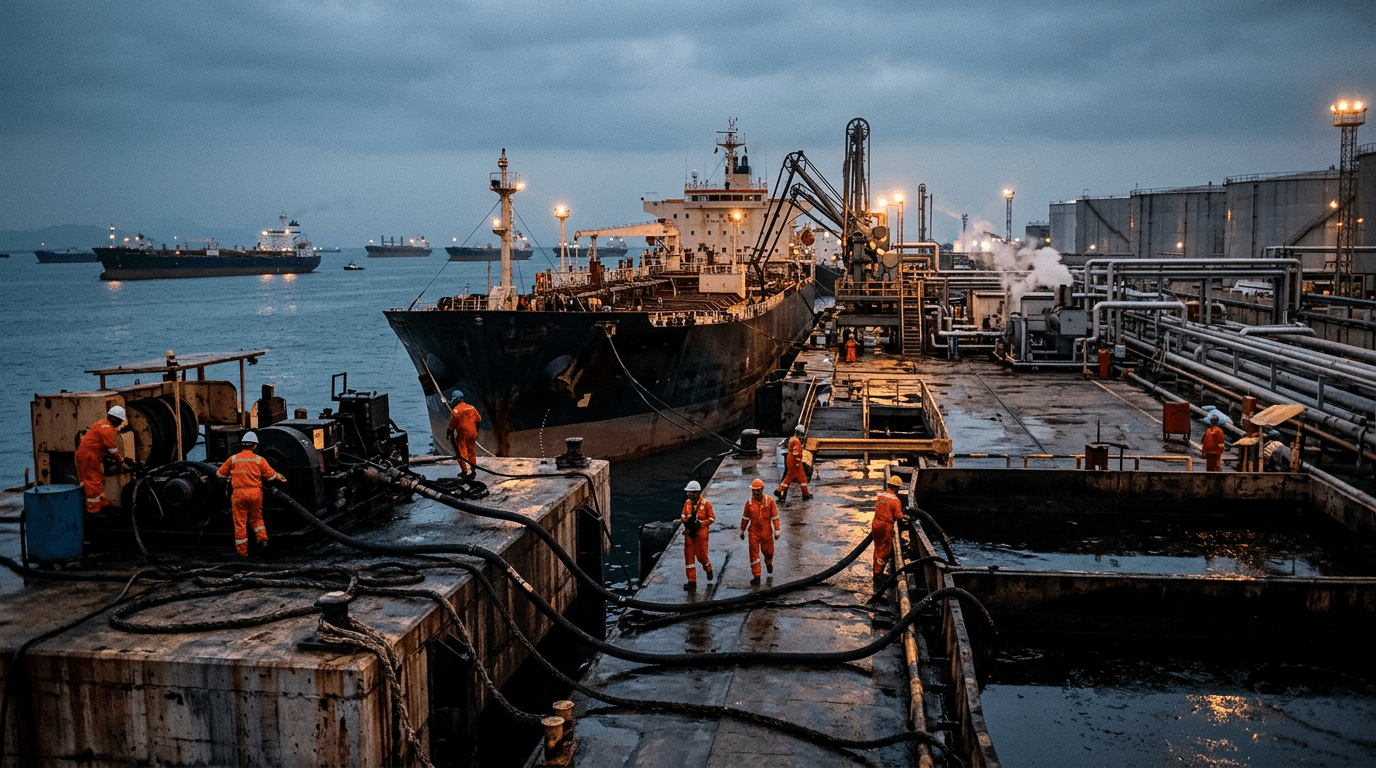
Oil Prices Surge 9% to $81.64 Amid Middle East Tensions
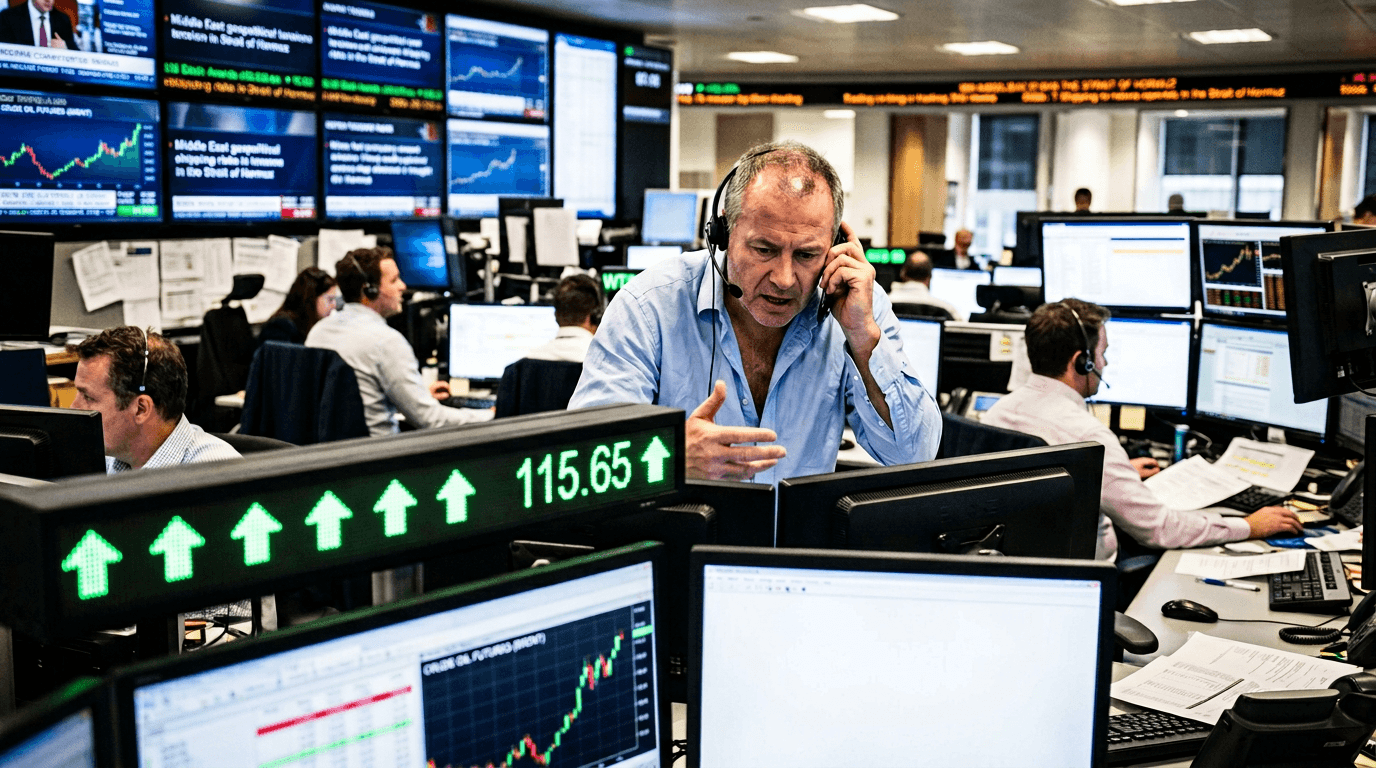
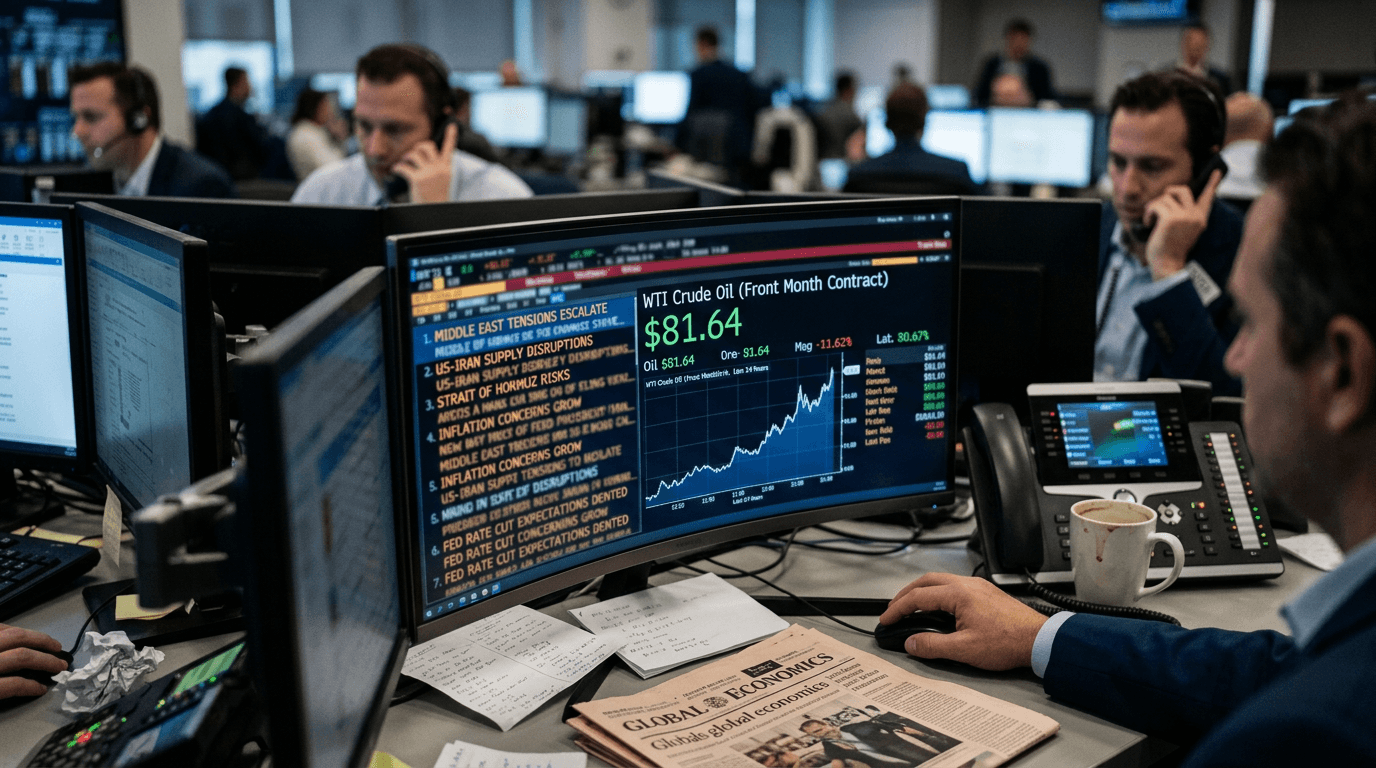
US oil has surged 9% to $81.64 due to escalating US-Iran tensions affecting the Strait of Hormuz. Discover the factors behind this increase and its implications for your trading strategy.
Professional trading strategies, risk management techniques, and market psychology insights to improve your trading performance.

US oil has surged 9% to $81.64 due to escalating US-Iran tensions affecting the Strait of Hormuz. Discover the factors behind this increase and its implications for your trading strategy.

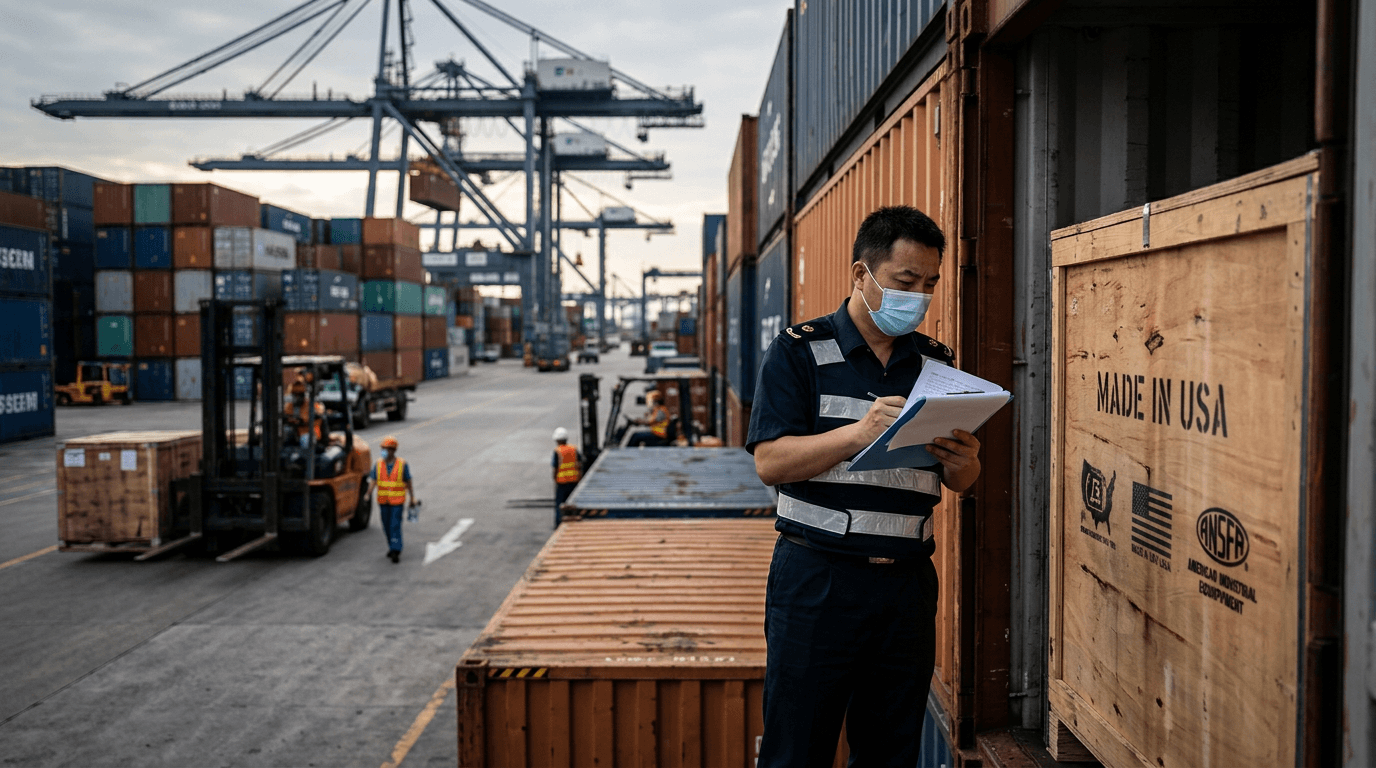
China raises tariffs on US goods to 125%, pushing trade tensions to new heights as US retaliatory measures reach 145%, triggering global market selloffs and reshaping trade dynamics.

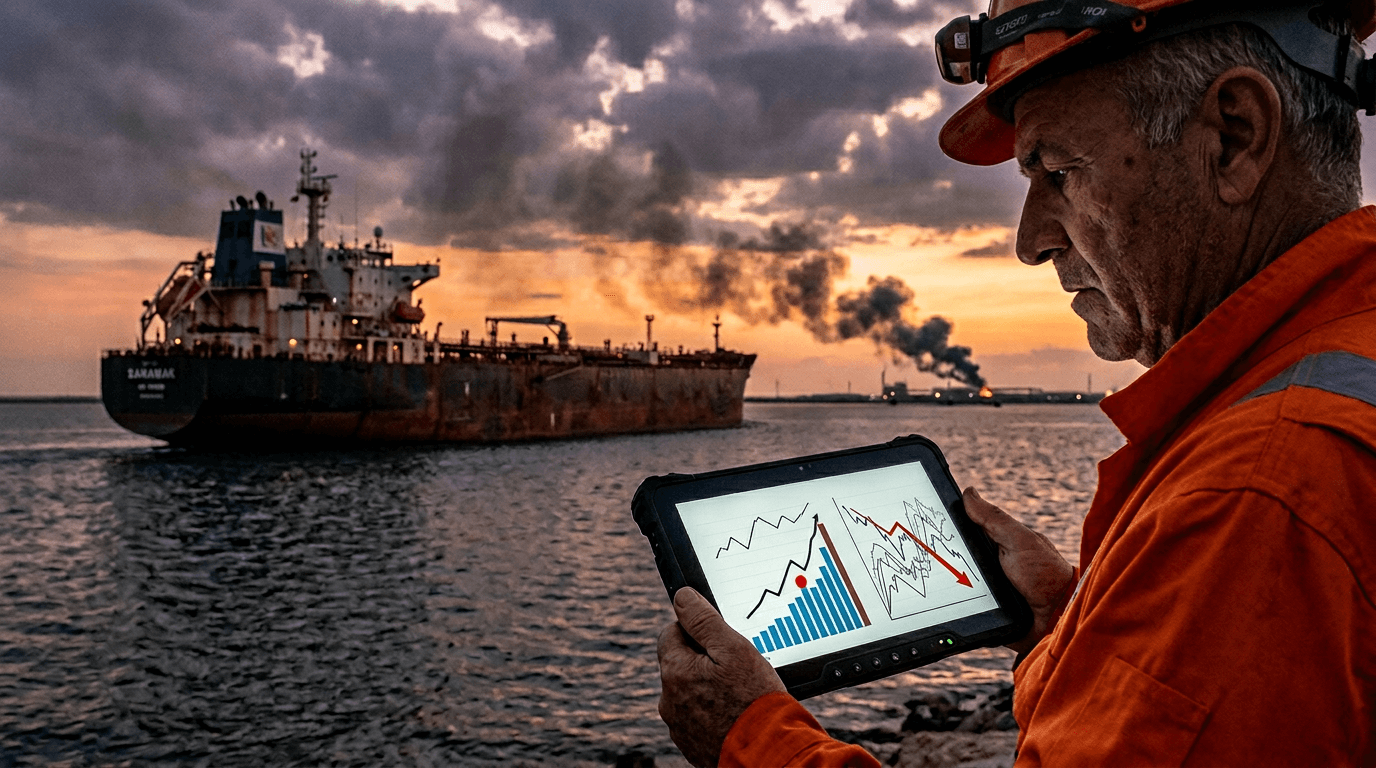
Crude prices reach 40% above pre-conflict levels as Middle East tensions disrupt 20% of global oil supply. Expect stagflation fears and volatile markets ahead.

Gold extends weekly declines as US-Iran tensions and declining Fed rate cut expectations pressure safe-haven demand. Key technical levels at $4,783 and $4,717 will determine the metal's next major move.

WTI crude hits $81.64 amid military tensions, signaling a genuine supply shock. Here's what market-moving developments you need to monitor.

China's 125% tariff on US goods, announced on April 12, 2025, in response to escalating US tariffs, sent shockwaves through global markets, illustrating the rapid transformation of geopolitical tensions into market dynamics.

Gold experiences short-term weakness amid rate pressures while structural demand from institutions, central banks, and retail investors maintains a bullish foundation near $5,100.

As the US-Iran ceasefire approaches its expiration on Wednesday, escalating violations and stalled negotiations threaten to reignite tensions in the Middle East, potentially reshaping oil markets and triggering risk-off sentiment across equities.

Crude hits $81.64 as Middle East conflict disrupts 10% of global oil supply, sending equities lower and reducing Fed rate cut expectations amid rising inflation pressures.