
Markets Surge Amid Signs of US-Iran Conflict Resolution on March 31, 2026
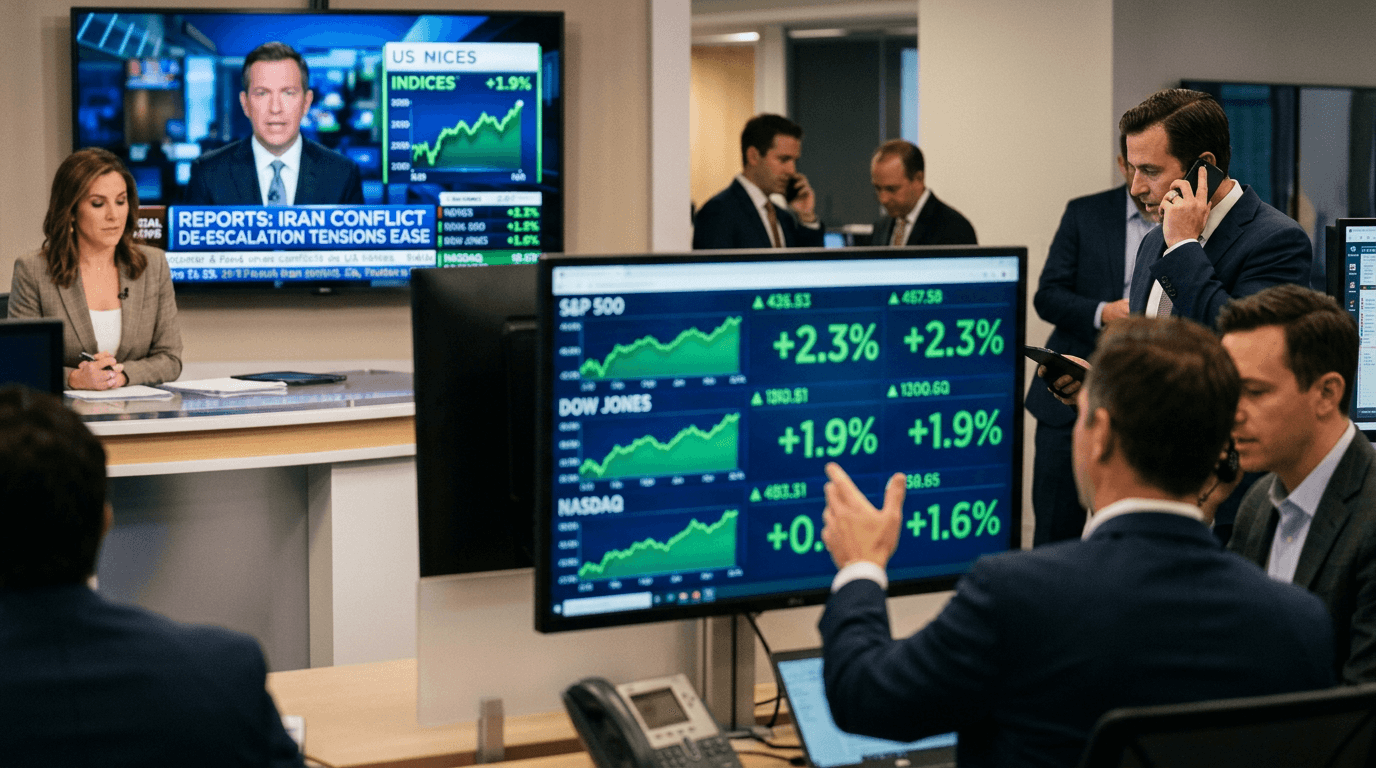
On March 31, 2026, financial markets experienced a significant rally as investors responded positively to emerging signs that the US-Iran conflict might be heading toward resolution. The S&P 500 surged nearly 3%, the Nasdaq climbed 3.8%, and the Dow Jones Industrial Average gained over 1,100 points. These gains followed announcements from Iranian President Pezeshkian and US President Trump indicating a willingness to end military hostilities. This dramatic market response underscores the powerful influence of geopolitical tensions and their potential resolution on investor sentiment and asset prices across various sectors.
Geopolitical Uncertainty and Market Responses
The US-Iran conflict, which ignited with surprise airstrikes on February 28, 2026, had created substantial uncertainty in global markets for over a month. This military escalation threatened critical infrastructure, particularly energy assets in the Middle East. Notably, US bombing raids targeted Kharg Island, which handles approximately 90% of Iran's oil exports. Both sides exchanged threats regarding the Strait of Hormuz, a crucial shipping lane for global energy supplies. This geopolitical uncertainty kept investors on edge, depressing equity valuations and elevating volatility across multiple asset classes. Concerns centered around supply chain disruptions, rising oil prices, and the potential for prolonged military engagement damaging economic growth prospects.
Turning Point: Diplomatic Signals Spark Risk-On Sentiment
The turning point came when multiple parties signaled a commitment to ending the conflict. On March 31, 2026, President Trump hinted at potential negotiations, marking a notable shift in rhetoric from earlier threats against Iranian infrastructure. Simultaneously, Iranian leadership expressed openness to talks, creating the first genuine diplomatic breakthrough after weeks of escalation and hardline posturing. Additionally, Gulf nations, including Qatar, Saudi Arabia, and other Arab monarchies, united in calling for de-escalation, demonstrating regional consensus around ending the military confrontation. These diplomatic developments triggered a "risk-on" rally, where investors moved away from defensive positions and increased exposure to growth-oriented equities.
Sector-Specific Gains and Opportunities
The market surge reflected optimistic reassessment across multiple sectors. Energy stocks particularly benefited as reduced geopolitical risk eased concerns about supply disruptions. Airlines, shipping companies, and logistics firms also rallied on expectations of stabilized oil prices and normalized supply chains. Technology and consumer discretionary sectors, often considered riskier assets, participated strongly in the rally. The Nasdaq's 3.8% gain indicated broad-based enthusiasm for growth stocks, with investors particularly favoring higher-beta, growth-oriented investments as risk appetite returned to markets. Commodities markets also responded, with oil prices stabilizing as traders reduced their risk premiums for potential supply disruptions.
Investor Takeaways and Future Implications
For traders and investors, this event illustrates several critical lessons. First, geopolitical events create significant market volatility and opportunity, but resolution of conflicts typically triggers relief rallies as uncertainty decreases. Second, investor sentiment responds not just to current conditions but to future expectations—the mere signal that negotiations could end the conflict was sufficient to drive substantial gains. Third, energy and transportation sectors maintain high sensitivity to Middle East developments, making them key barometers of geopolitical risk.
Looking forward, investors should monitor ongoing negotiations carefully. The resolution on March 31 represented a significant step, but sustained progress remains uncertain, as demonstrated by earlier negotiation failures. The mention of Lebanon and Hezbollah as potential ceasefire conditions complicates resolution, suggesting multiple layers of complexity must be resolved. Traders should watch for any renewed escalation rhetoric, failed negotiations, or new military incidents that could reverse the recent gains.
Market Outlook and Strategic Considerations
The March 31 market surge demonstrates how quickly sentiment can shift when geopolitical risk begins to clear. The three-plus percent gain in major indices, combined with strong performance in cyclical sectors, suggests investors are anticipating normalized economic conditions if the conflict truly ends. However, this optimistic repricing also presents risks—if negotiations fail or military confrontation resumes, the market could reverse sharply as investors reprice geopolitical risk premiums back into valuations.
The sustainability of this rally depends on continued diplomatic progress. Traders should remain vigilant for any statements from Iranian or US leadership that could indicate a breakdown in negotiations, as well as any new military incidents or escalatory rhetoric. Energy prices warrant particular attention, as they serve as a leading indicator of geopolitical risk perception in markets.
For SimFi traders, this event provides valuable context for understanding how major geopolitical developments impact market behavior. The ability to recognize turning points in conflicts and shift positioning accordingly represents a sophisticated trading skill. The March 31 de-escalation signals created a textbook example of how news flow transforms market sentiment and creates trading opportunities across multiple asset classes and sectors.