
Forex
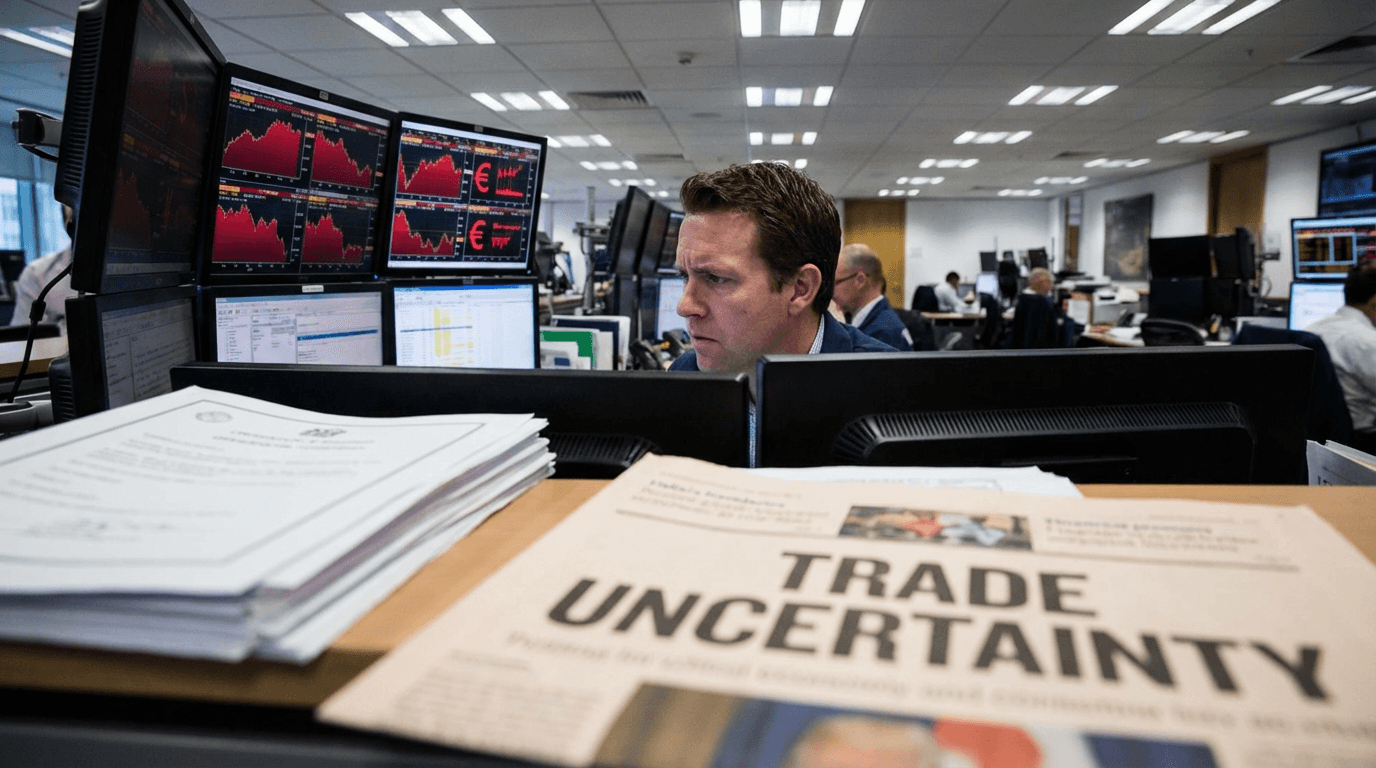
Why Markets Sold the Dollar After Trump's Bullish SOTU
Despite Trump's optimistic economic messaging, USD weakened as traders focused on tariff impacts and policy risks rather than headline growth prospects.
Expert forex market analysis, currency pair insights, and trading strategies. Stay updated with EUR/USD, GBP/USD, and major currency movements.
Despite Trump's optimistic economic messaging, USD weakened as traders focused on tariff impacts and policy risks rather than headline growth prospects.
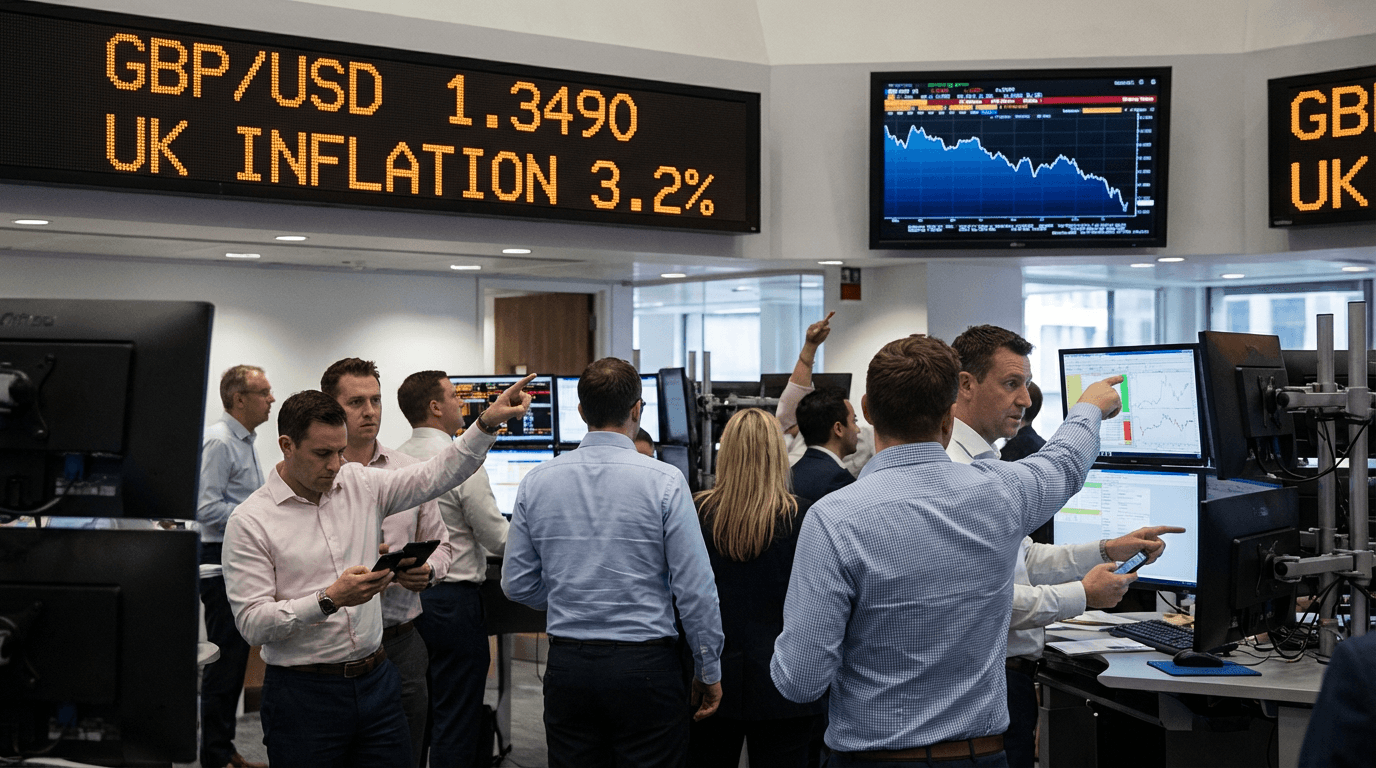
The pound weakened to 1.349 against the dollar as 3.2% UK inflation sparked Bank of England policy uncertainty, creating trading opportunities in a volatile market environment.

The Australian dollar advances to 0.7060 against the US dollar, driven by rising commodity prices and robust Asian demand as Chinese markets reopen post-Lunar New Year.

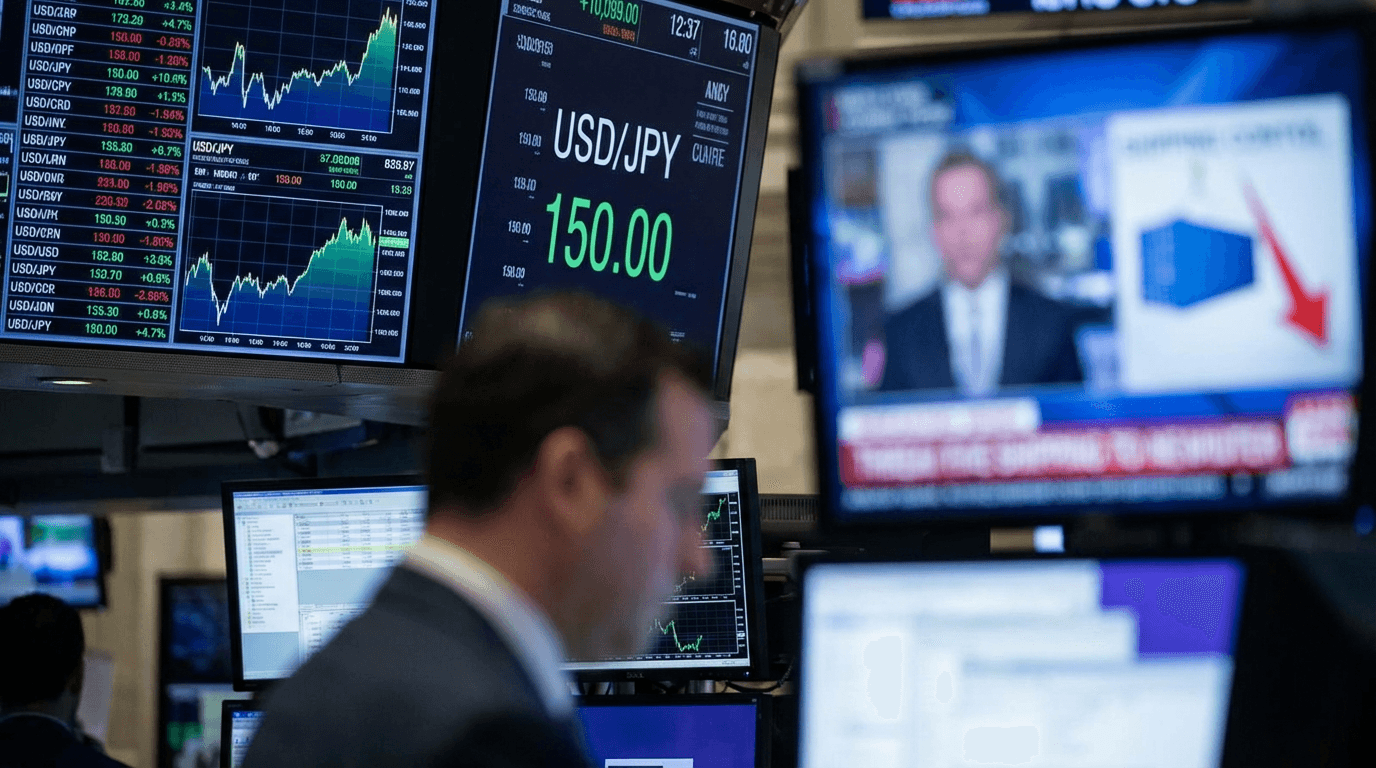
The Fed's hawkish stance keeps USD/JPY supported above 150, even as tariff concerns pressure the broader dollar. Here's why the pair remains resilient.
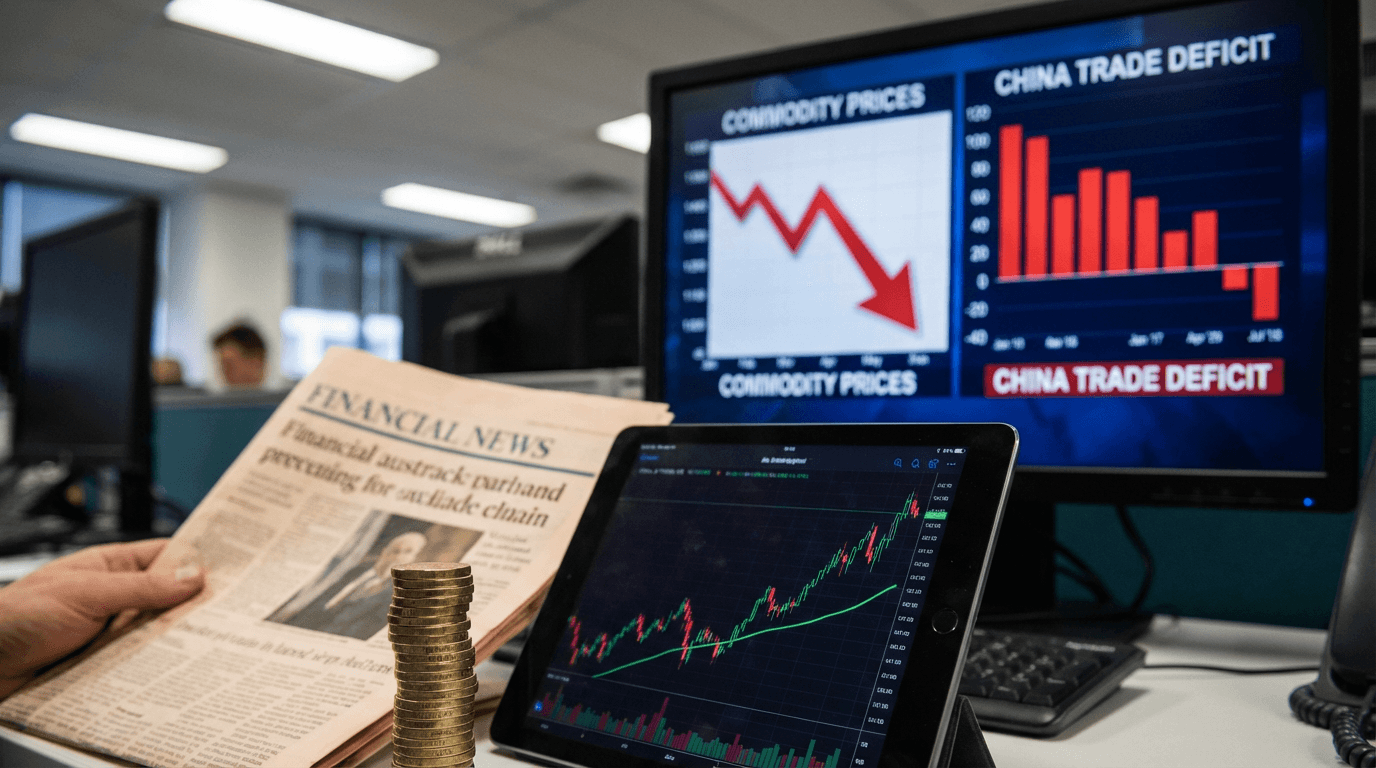
The Australian Dollar faces headwinds from falling commodity prices and China's trade deficit, creating uncertainty for AUD/USD traders despite recent technical strength in the currency pair.

Sterling weakens following disappointing UK retail sales, raising rate cut expectations. Discover what this means for currency markets and how to position your trades.

The EUR/USD navigates between 1.1803 and 1.2000 as traders anticipate nonfarm payroll and inflation data, poised to trigger the next significant move.

As the Fed pivots to an easing cycle, the U.S. Dollar Index slides toward critical support, triggering capital outflows and diminishing its global yield allure.