

Trading
Gold Soars on US-Iran Tensions but Faces Potential Weekly Decline
As US-Iran tensions drive gold past $5,350, the metal faces a potential weekly decline due to oil-driven inflation concerns. Discover the factors behind this paradox.
Professional trading strategies, risk management techniques, and market psychology insights to improve your trading performance.
As US-Iran tensions drive gold past $5,350, the metal faces a potential weekly decline due to oil-driven inflation concerns. Discover the factors behind this paradox.

Equity futures faced a sharp decline this week as oil prices surged due to Middle East tensions, reshaping market risk premiums and compelling traders to adjust their geopolitical risk exposure amid critical ceasefire negotiations.

Gold prices rally as investors seek refuge amid Middle East tensions, despite ongoing inflation fears and higher yields challenging the precious metal's outlook in 2026.

Gold surges past $5,350 on escalating US-Iran military tensions, with major banks targeting $6,000 if geopolitical risks intensify and inflation concerns persist.

Crude oil prices surge to $81.64 as US-Iran military escalation disrupts the Strait of Hormuz, removing 10-11 million barrels daily from global supply and reigniting inflation concerns.

Crude oil surges above $100 as Middle East tensions threaten critical energy infrastructure and shipping routes, raising concerns for global energy security.
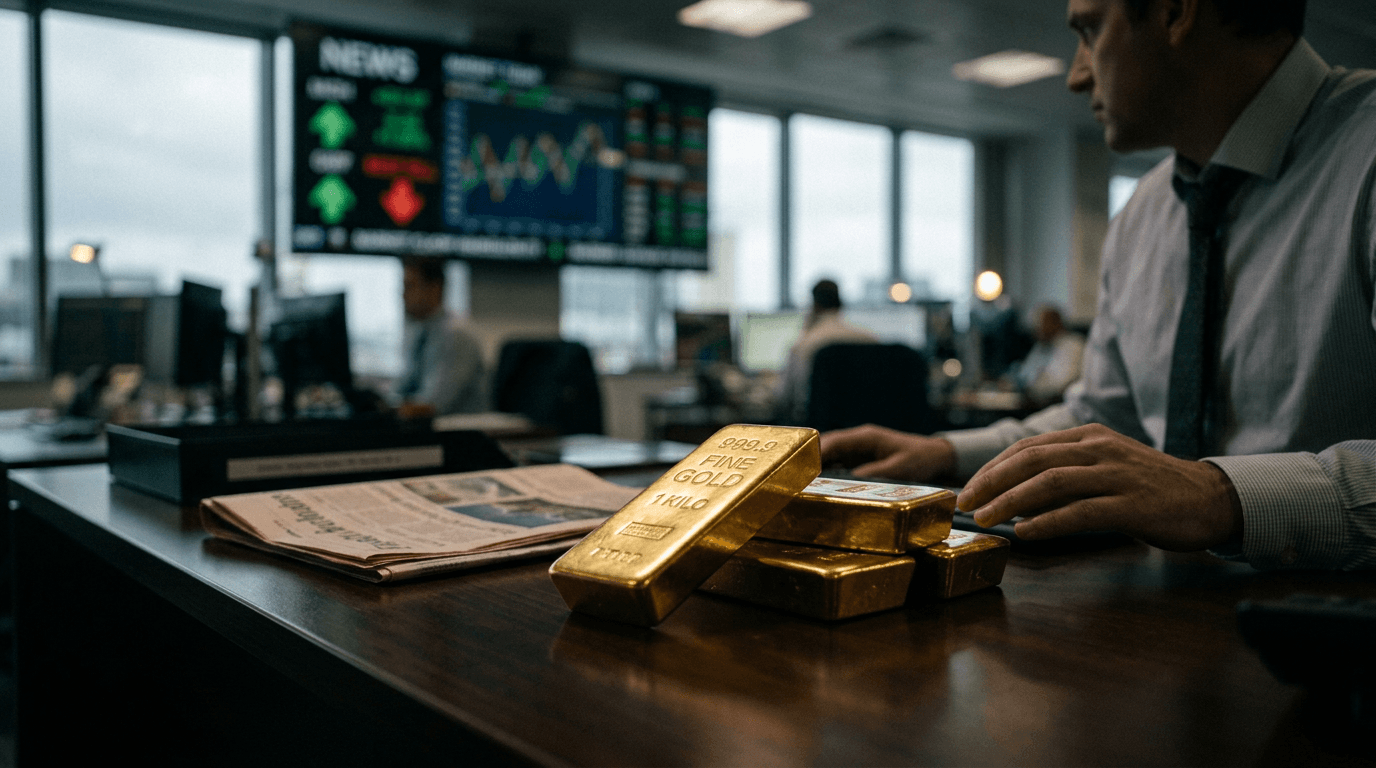
Gold futures recovered to $4,745 this week as geopolitical tensions and inflation concerns bolster safe-haven demand, yet the precious metal faces headwinds from strong labor data and elevated interest rates.

U.S. crude ascends to $87.88 amid heightened Iran-U.S. standoff over the Strait of Hormuz, sparking inflation fears as energy supplies face renewed uncertainty.

Crude hits $81.64 as military tensions disrupt the Strait of Hormuz, removing 10% of global supply and triggering rapid increases in gas prices and market volatility.