

Trading
Oil Shock Playbook: Trading the Middle East Conflict Spike
Brent and WTI have surged on Middle East conflict risk, reshaping futures, inflation expectations, and FX. Here’s how traders can navigate the move.
Professional trading strategies, risk management techniques, and market psychology insights to improve your trading performance.
Brent and WTI have surged on Middle East conflict risk, reshaping futures, inflation expectations, and FX. Here’s how traders can navigate the move.

Oil’s retreat from recent highs has lifted Wall Street futures, highlighting how geopolitics, inflation expectations, and risk appetite interact across markets.

Global yields near recent highs reflect geopolitically driven inflation fears, reshaping FX, equity futures and trading strategies.

Fresh U.S. strikes on Iran lifted oil over $1 in post-settlement trade, boosting CAD and commodity FX while reigniting inflation and risk premiums across global markets.
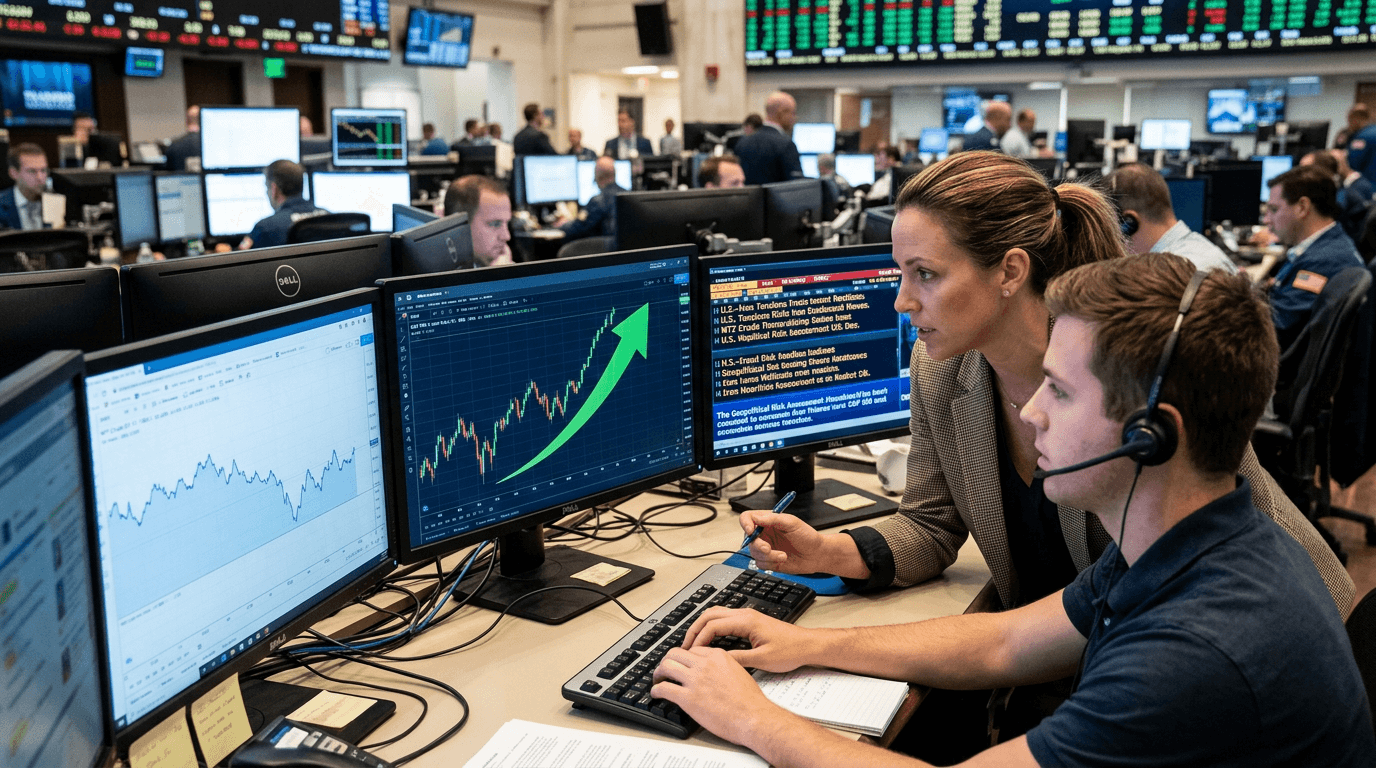
U.S. equity futures are rebounding as oil prices stabilize and traders reassess the macro impact of renewed U.S.–Iran tensions, offering a live case study in cross‑asset risk pricing.

Kalshi’s push into perpetual metals, FX and energy derivatives could transform access to event-driven trading, but it also raises new questions about leverage, volatility and retail risk.

Oil’s rebound on Middle East conflict is lifting CAD and petrocurrencies, reshaping FX and energy futures volatility and creating clear cross‑asset trading opportunities.
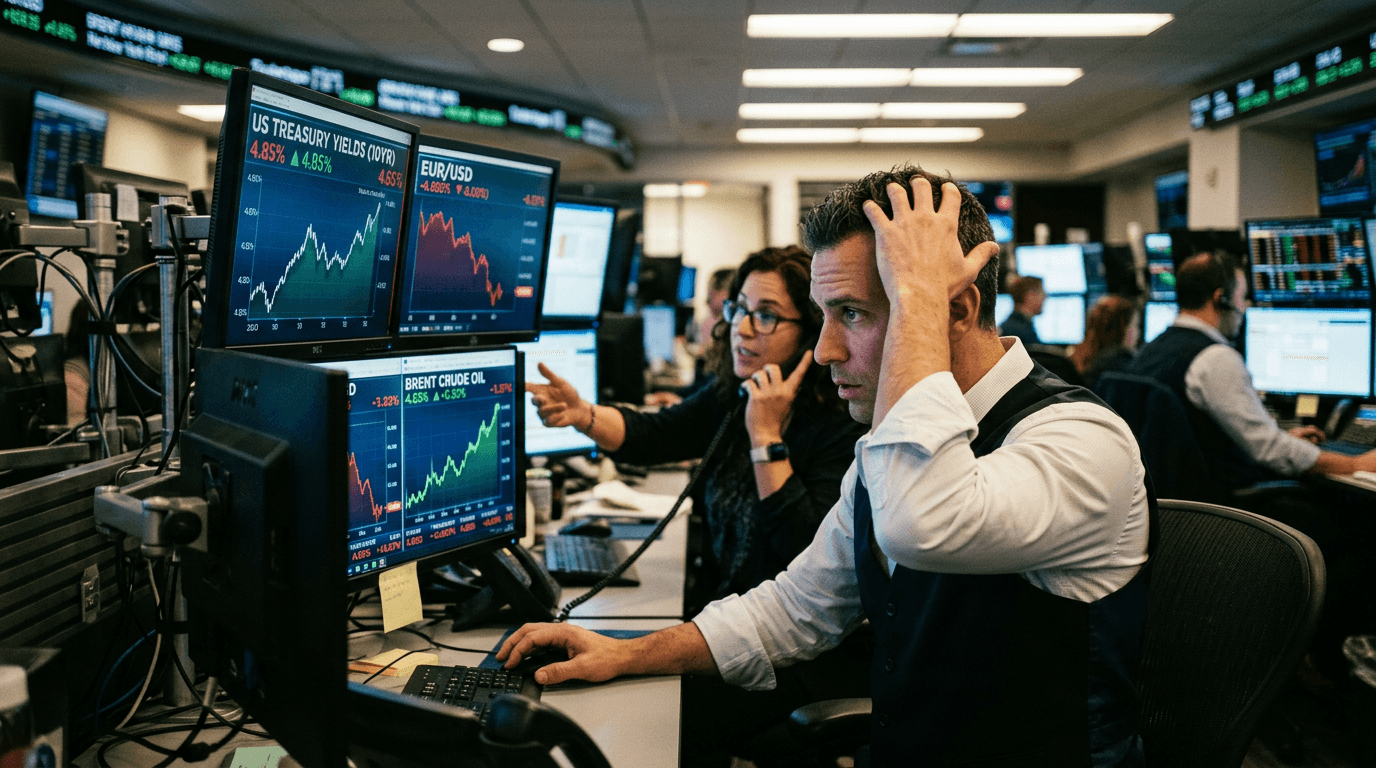
Rising U.S. yields and Middle East tensions are driving sharp swings in FX and commodities, reshaping inflation expectations and forcing traders to rethink hedging and risk.
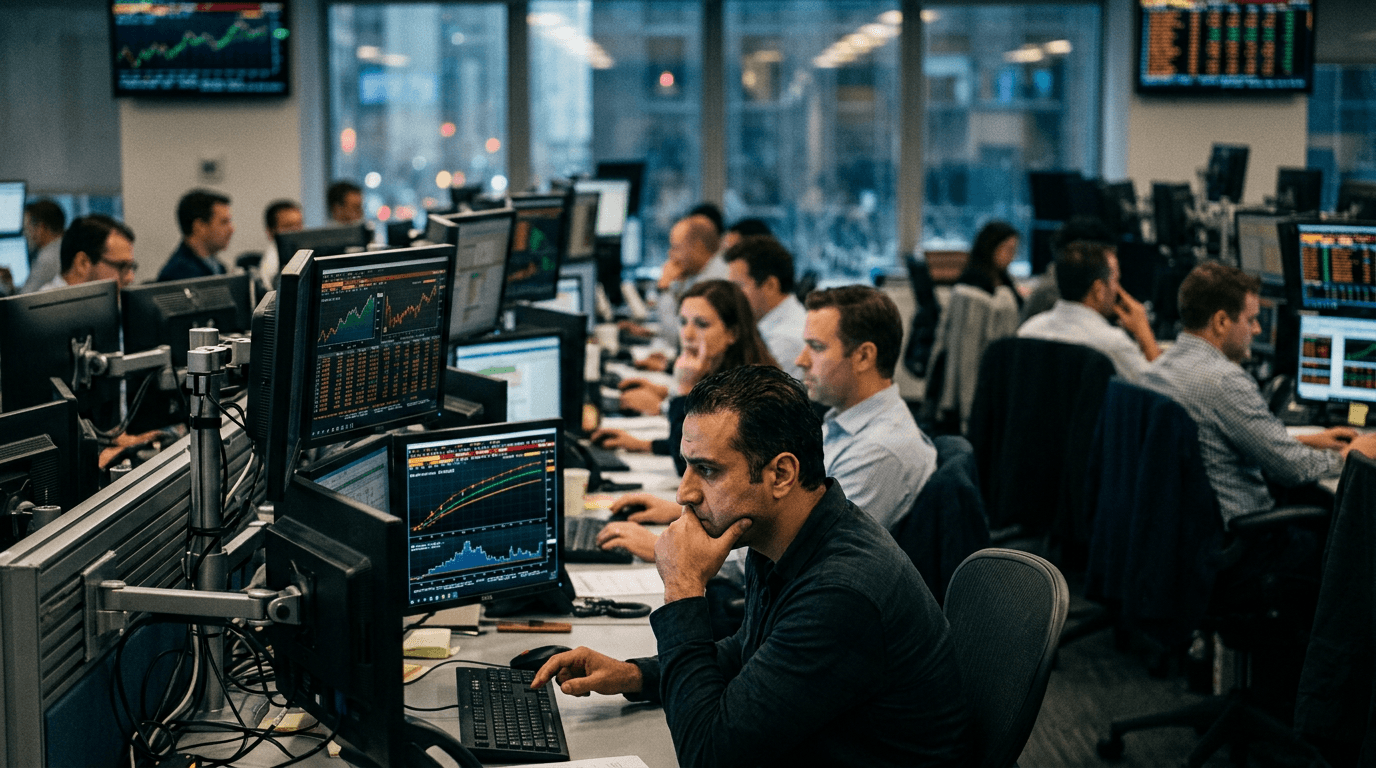
Escalating U.S.-Iran tensions are keeping global bond yields elevated, reshaping currencies, rates and risk assets—and offering key lessons for macro-aware traders.