
Trading
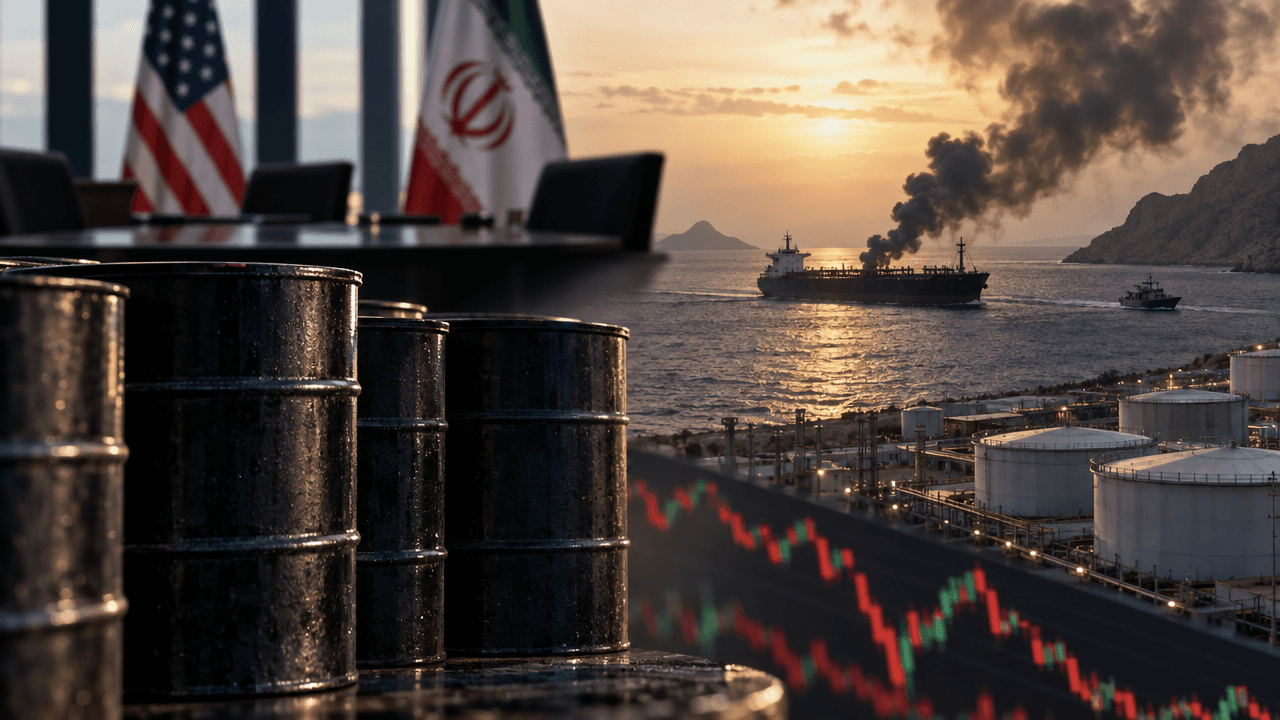
Oil Markets Caught Between U.S.–Iran Diplomacy and Shipping Risk
Oil prices remain volatile as stalled U.S.–Iran diplomacy, Hormuz shipping attacks, and rising U.S. inventories pull the market in opposite directions.
Professional trading strategies, risk management techniques, and market psychology insights to improve your trading performance.
Oil prices remain volatile as stalled U.S.–Iran diplomacy, Hormuz shipping attacks, and rising U.S. inventories pull the market in opposite directions.

Brent is near $92 and WTI near $86 as shipping attacks support prices while hopes for fewer US strikes weigh on crude.

Gold dropped about 2.6% as hotter inflation, rising Treasury yields, and a stronger dollar reduced demand. Here’s what traders should watch next.

Gold fell sharply as a stronger dollar, rising Treasury yields, and reduced expectations for near-term rate cuts pressured bullion. Here’s what traders should watch next.

Oil prices retreat as U.S.–Iran diplomacy reduces fears of new supply disruptions. Here’s what traders should watch next.

Brent crude slipped below $90 while WTI moved into the mid-$80s as traders priced in easing Middle East tensions and renewed oversupply concerns.

Oil prices fell as hopes of Iran conflict de-escalation reduced supply fears, easing inflation concerns while Strait of Hormuz risks kept markets alert.

Brent crude has fallen toward $92 as diplomatic progress reduces fears of supply disruption, easing inflation concerns while creating new risks for energy assets and currencies.

Global markets recovered as oil prices fell and hopes of easing U.S.-Iran tensions grew. Here’s what the rebound means for inflation, sectors, and SimFi traders.