WTI Oil Falls as Geopolitical Tensions Ease with US-Iran Ceasefire
Oil prices dropped nearly 20% following a breakthrough ceasefire between the US and Iran, reversing earlier gains as the Strait of Hormuz reopens and geopolitical risks diminish.
Professional trading strategies, risk management techniques, and market psychology insights to improve your trading performance.

Oil prices dropped nearly 20% following a breakthrough ceasefire between the US and Iran, reversing earlier gains as the Strait of Hormuz reopens and geopolitical risks diminish.

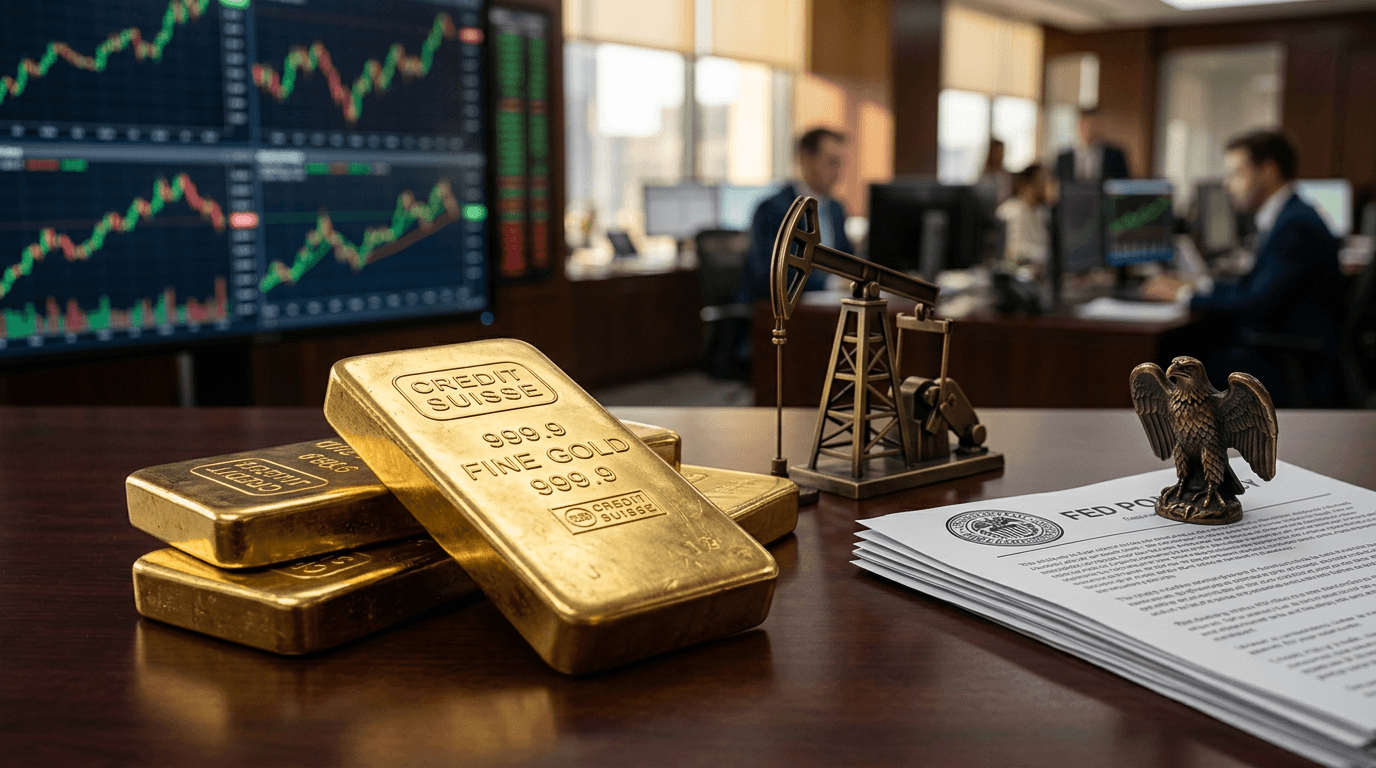
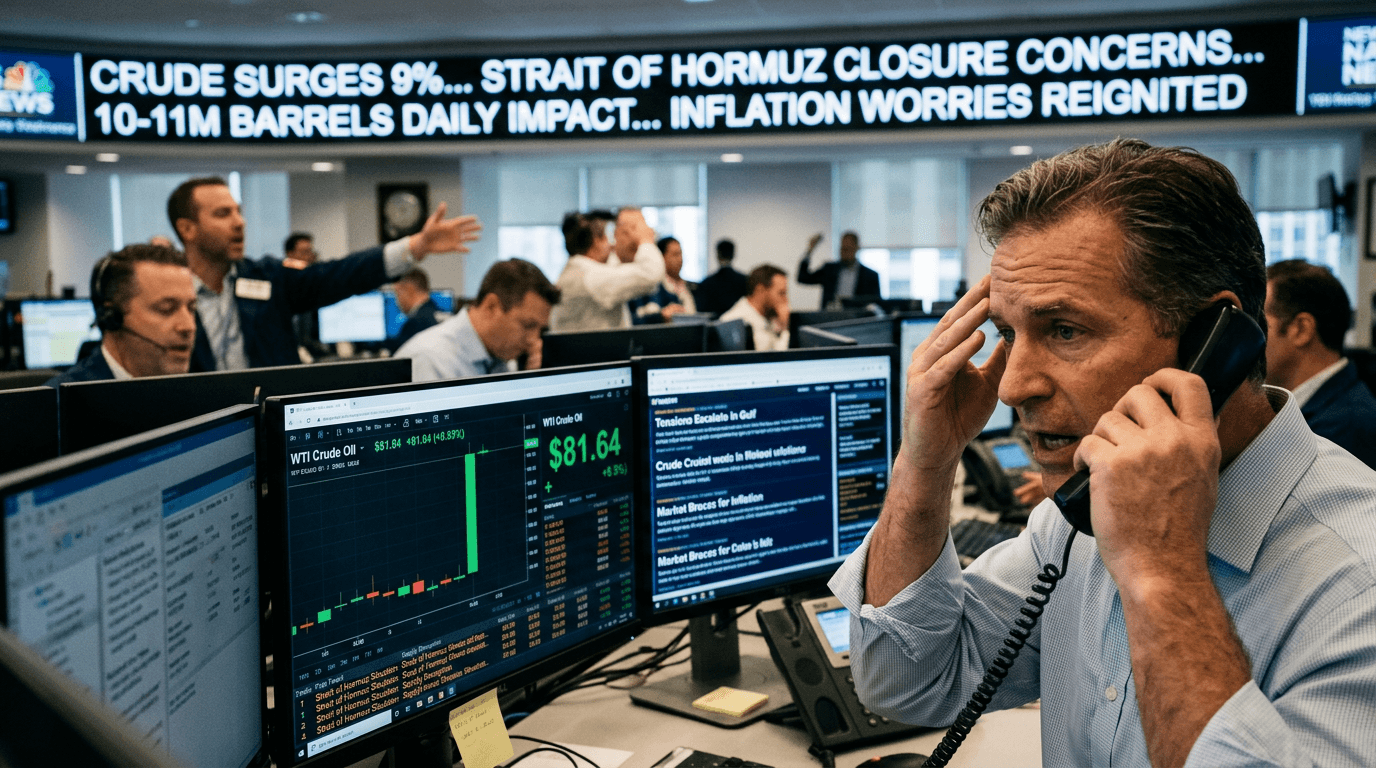
Crude oil has jumped to $81.64 per barrel as military conflict and Strait of Hormuz closure remove 10-11M barrels daily from markets, triggering inflation concerns and reshaping energy market dynamics.

Gold rebounds on safe-haven flows but faces renewed pressure from rising oil prices and hawkish Fed policy. Here's what Q2 holds for precious metals investors.

China's new tariffs on US imports to 125% take effect on April 12, intensifying trade tensions and causing major market disruptions. Here's how traders should adapt to this evolving trade landscape.

China escalates US-China trade tensions with a 125% tariff effective April 12, 2025. This dramatic policy shift reshapes supply chains, creates sector rotation opportunities, and demands strategic adaptation from traders and investors worldwide.

Crude oil surges 9% to $81.64 amid US-Iran military conflict and Strait of Hormuz closure, removing 10-11M barrels daily from markets and reigniting inflation concerns.

Gold reaches $4,700 amid safe-haven flows from geopolitical tensions, yet inflation fears and higher interest rates pose a threat to gains. Explore trading strategies for this conflicting scenario.


Escalating Middle East conflict sent crude oil to summer 2024 highs while equity markets retreated, raising inflation concerns and forcing traders to abandon rate cut bets for 2026.