Treasury Borrowing Forecast: What $574 Billion Q1 Estimate Means for Traders
Treasury plans to borrow $574 billion in Q1 2026. Understand the implications for yields, supply dynamics, and your trading strategy in this comprehensive market analysis.

Global economic news, central bank decisions, inflation data, and macroeconomic analysis affecting financial markets worldwide.

Treasury plans to borrow $574 billion in Q1 2026. Understand the implications for yields, supply dynamics, and your trading strategy in this comprehensive market analysis.

US manufacturing surged in January with PMI hitting highest level since 2022, sending stocks climbing despite implications for delayed Fed rate cuts.

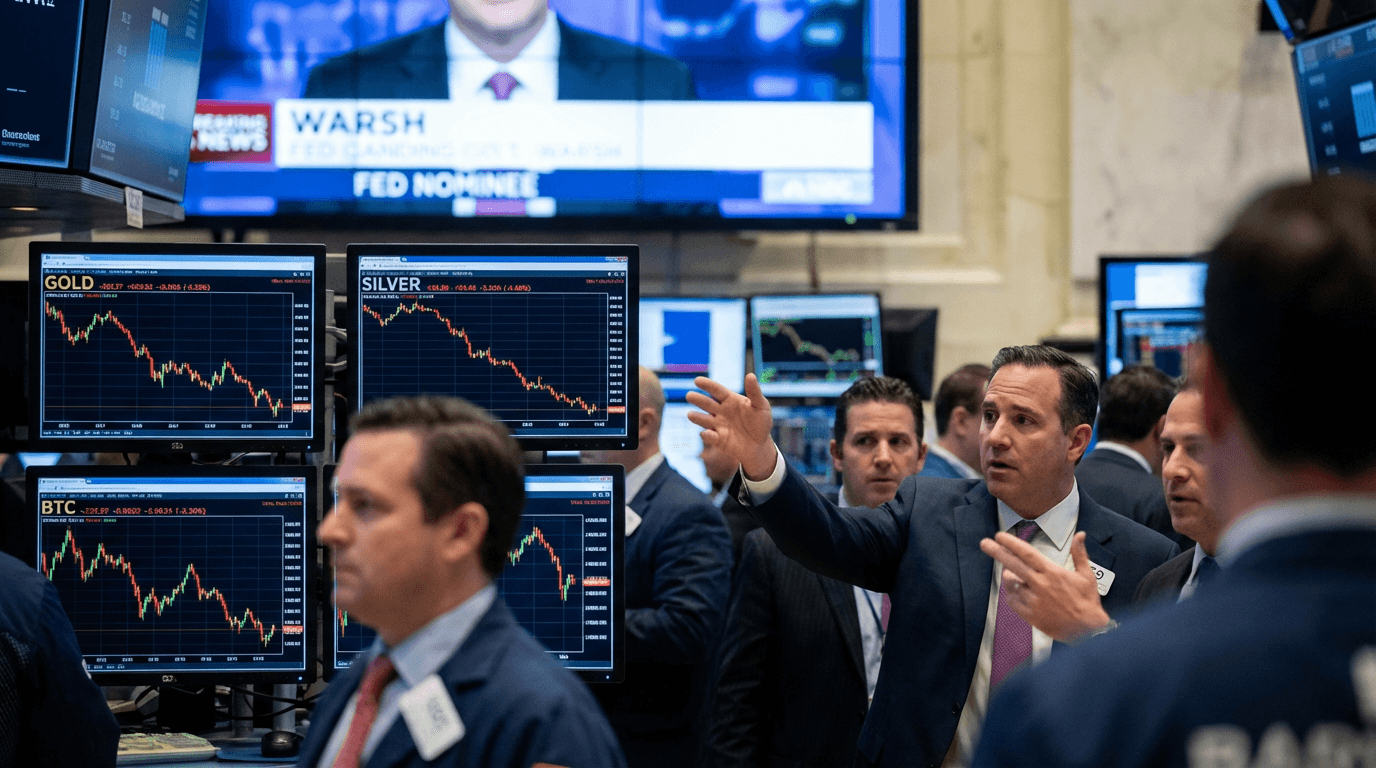
Trump's nomination of inflation hawk Kevin Warsh as Fed Chair triggered sharp selloffs in gold, silver, and Bitcoin as markets repriced expectations for monetary discipline and dollar strength.

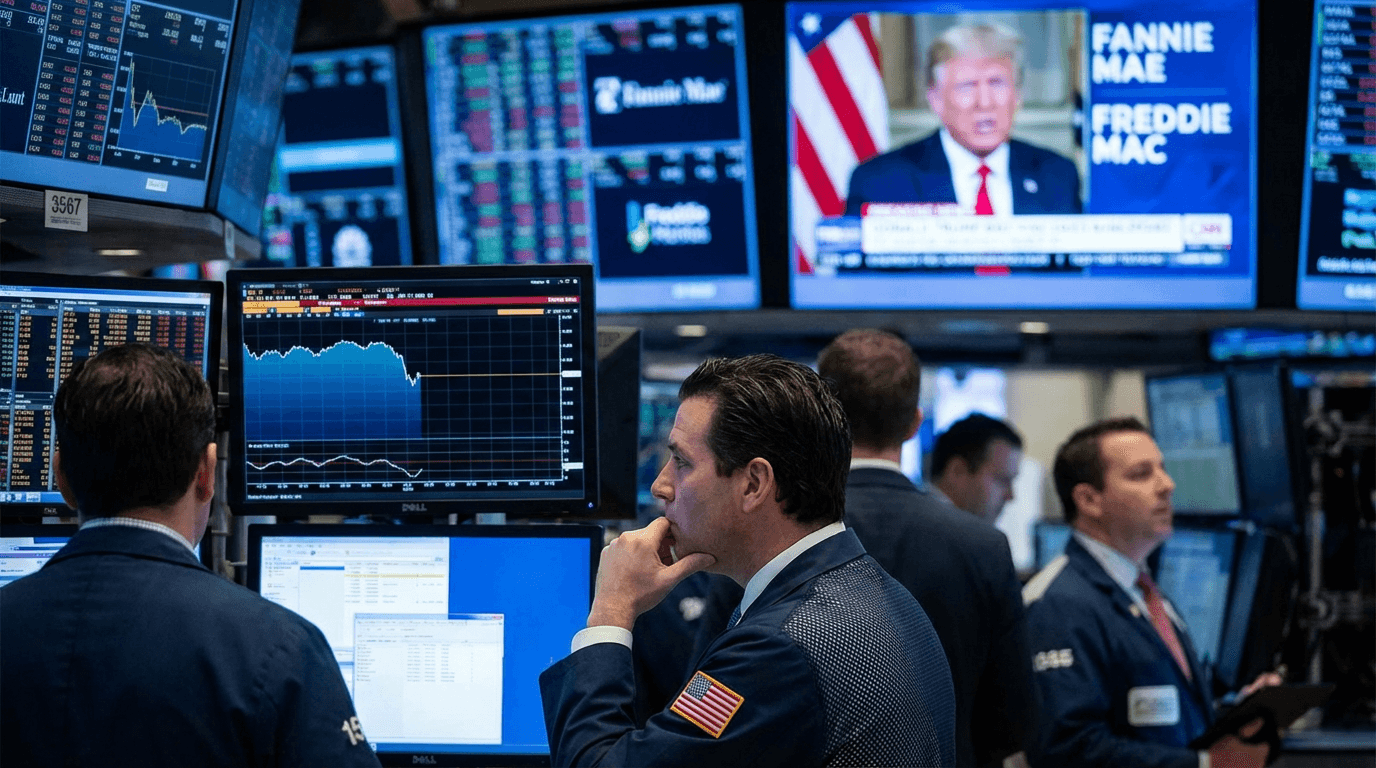
President Trump directs Fannie Mae and Freddie Mac to buy $200 billion in MBS to lower mortgage rates, but actual impact may be limited and short-lived.

With federal funding expiring January 30, 2026, shutdown risks climbed to 26% as Congress once again faced deadline chaos. Learn the economic impact and what's at stake.

China's January Manufacturing PMI fell to 49.3, missing expectations and signaling renewed demand weakness despite production gains. Key implications for commodity traders and market participants.

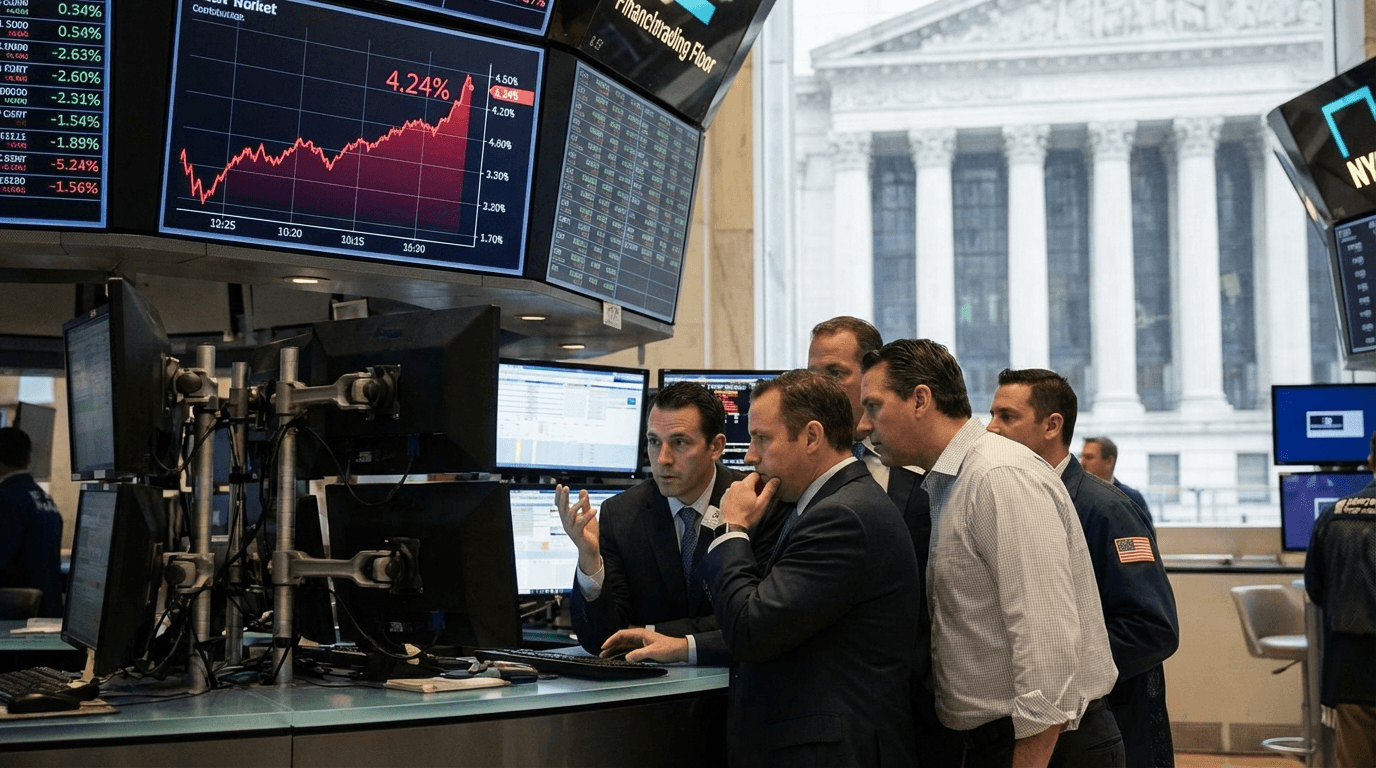
The 10-year Treasury yield remains elevated at 4.24%, supported by dovish Fed chair appointment and expectations for sustained higher rates. What traders need to know about this critical market shift.

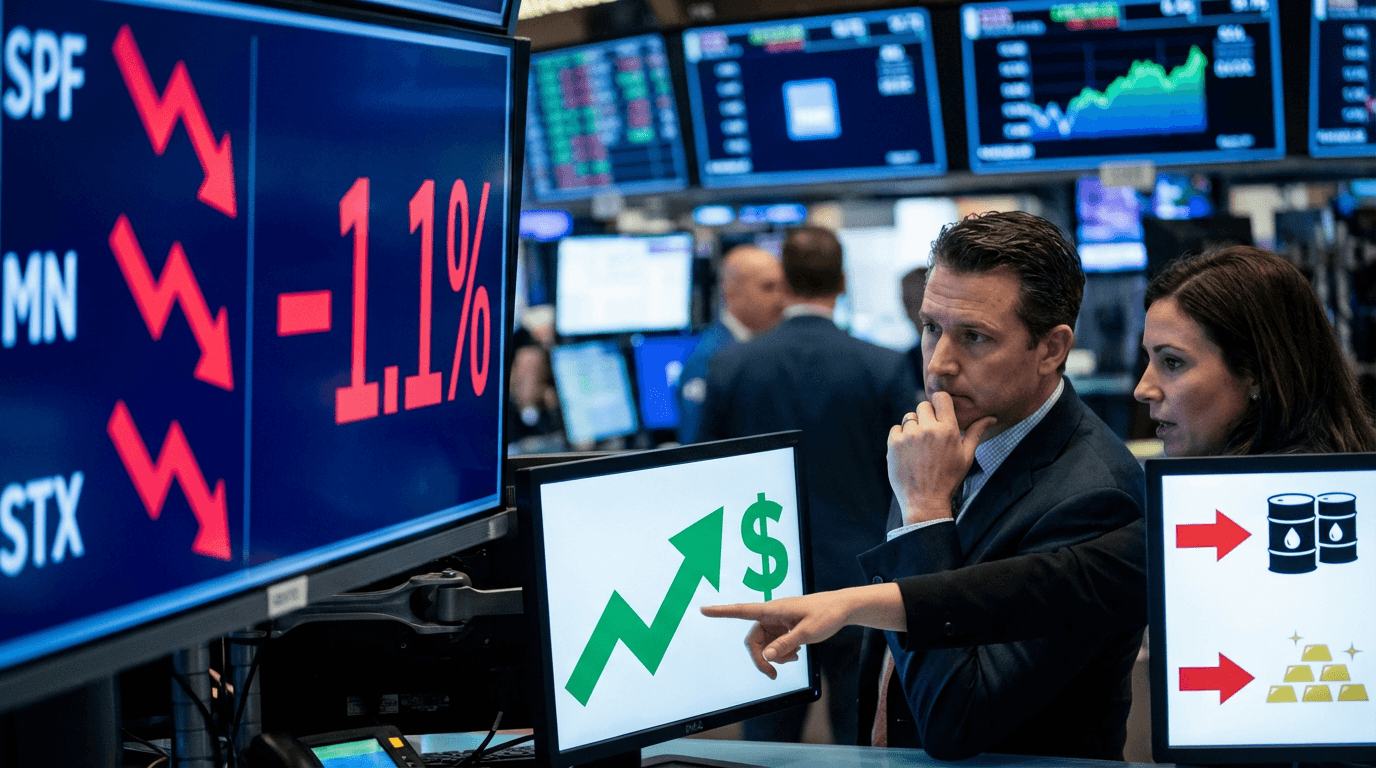
Trump's Warsh nomination sparks 1% drops in major indices, strong dollar, and commodity selloff. All January gains remain intact as markets reassess 2026 rate expectations.

Producer prices surged 0.5% MoM and 3.0% YoY in December, signaling stickier inflation and potentially limiting Fed rate cuts. Here's what traders need to know.