
Trading
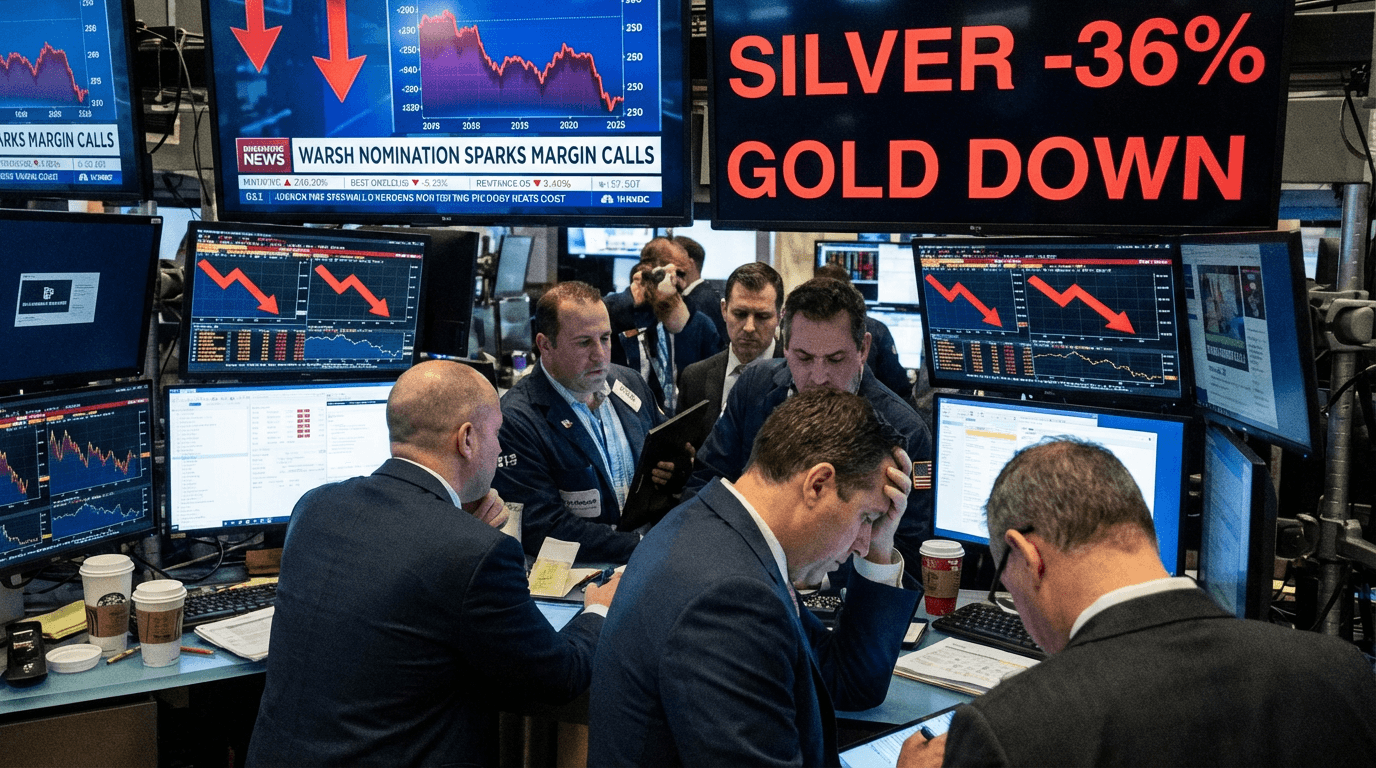
Precious Metals Market Suffers Historic Collapse: Causes and Implications
Silver crashed 36% and gold fell sharply on January 30, 2026, as margin hikes and the Warsh nomination triggered a forced unwinding of crowded trades.
Professional trading strategies, risk management techniques, and market psychology insights to improve your trading performance.
Silver crashed 36% and gold fell sharply on January 30, 2026, as margin hikes and the Warsh nomination triggered a forced unwinding of crowded trades.
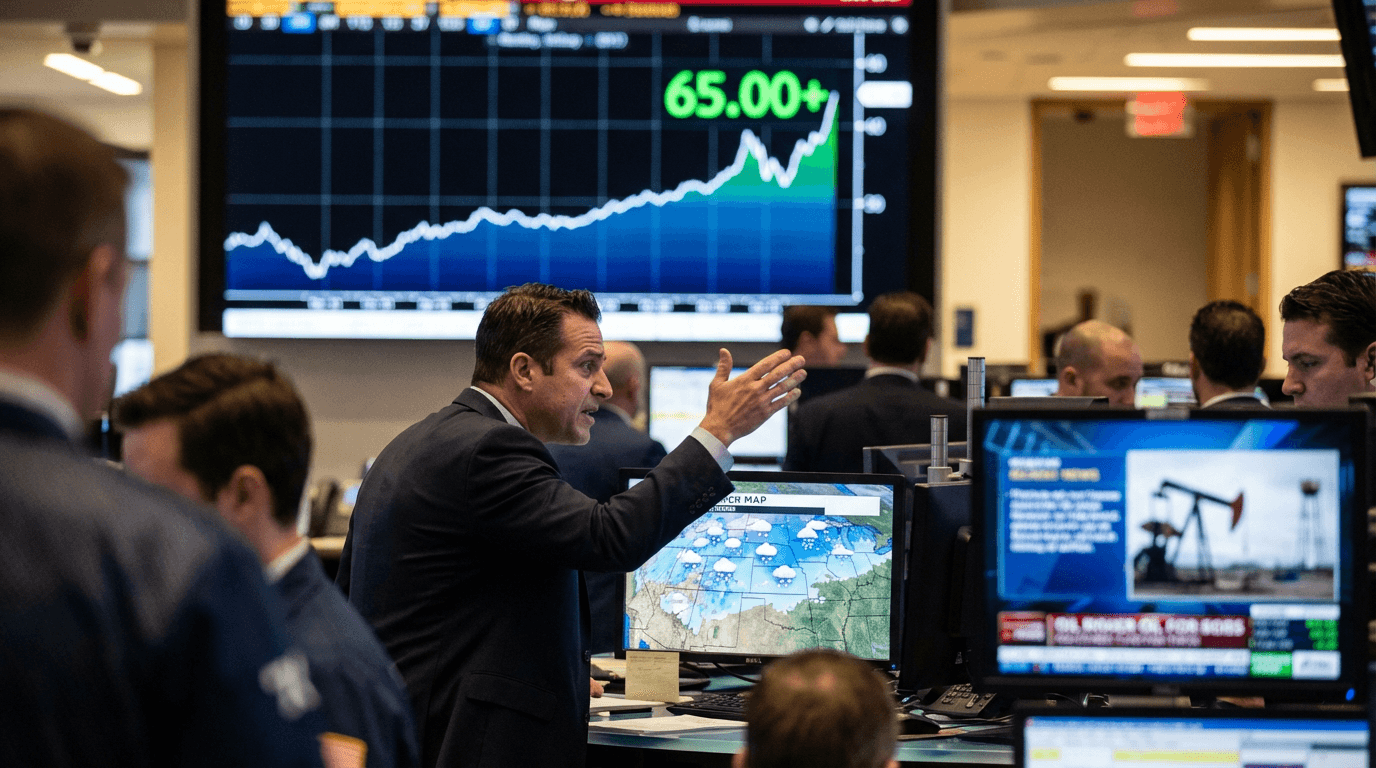
Energy markets surge as WTI crude breaks above $65, driven by winter weather disruptions and Middle East geopolitical tensions. Discover the key factors shaping crude prices and what traders should watch.
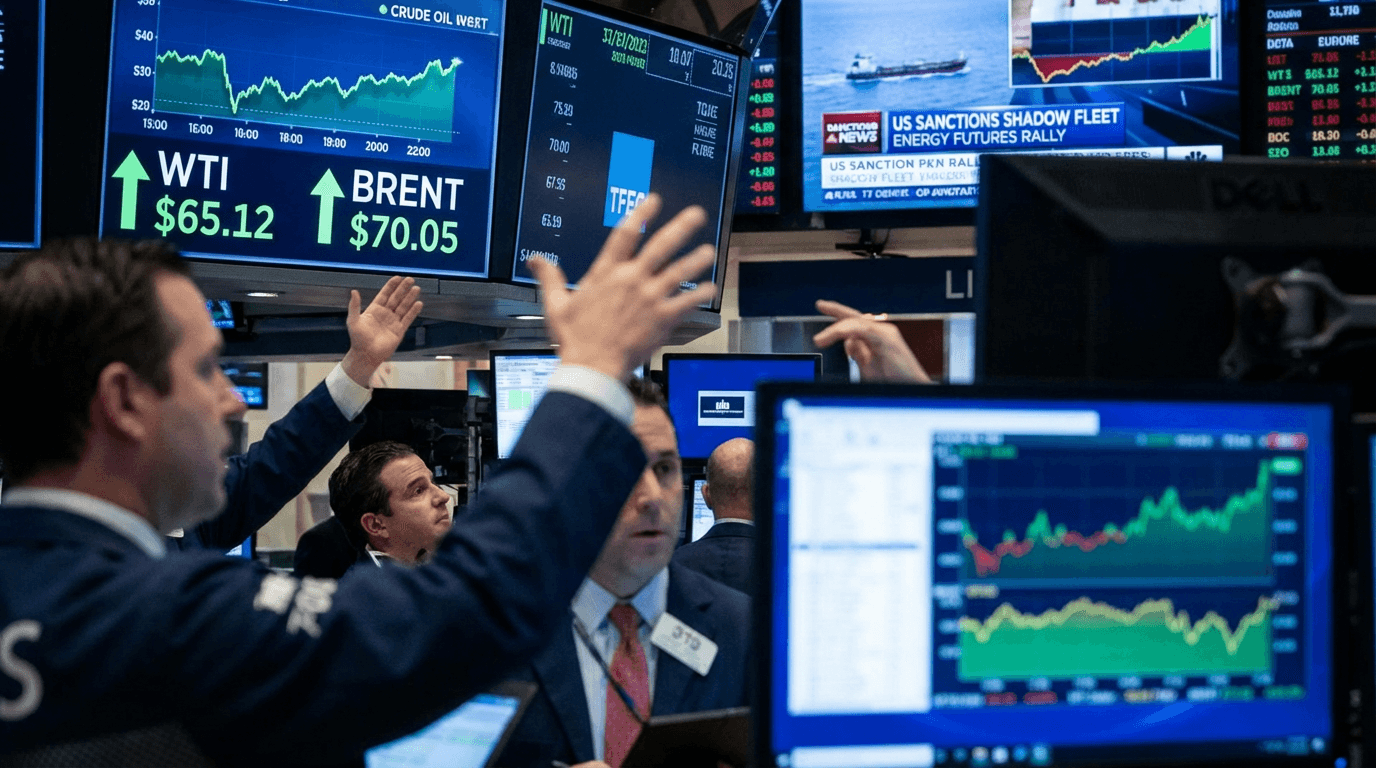
US Treasury sanctions on Iran's shadow fleet push crude above $65 WTI and $70 Brent, signaling broader economic pressure impacting energy futures and commodity-linked currencies across forex markets.

Gold retreated 4% after hitting all-time highs, trading like a risk asset. We examine why strong rallies invite profit-taking and why fundamentals remain supportive.

Gold surges past $5,600 as weak dollar, geopolitical tensions, and central bank buying converge to create a perfect storm for precious metals.
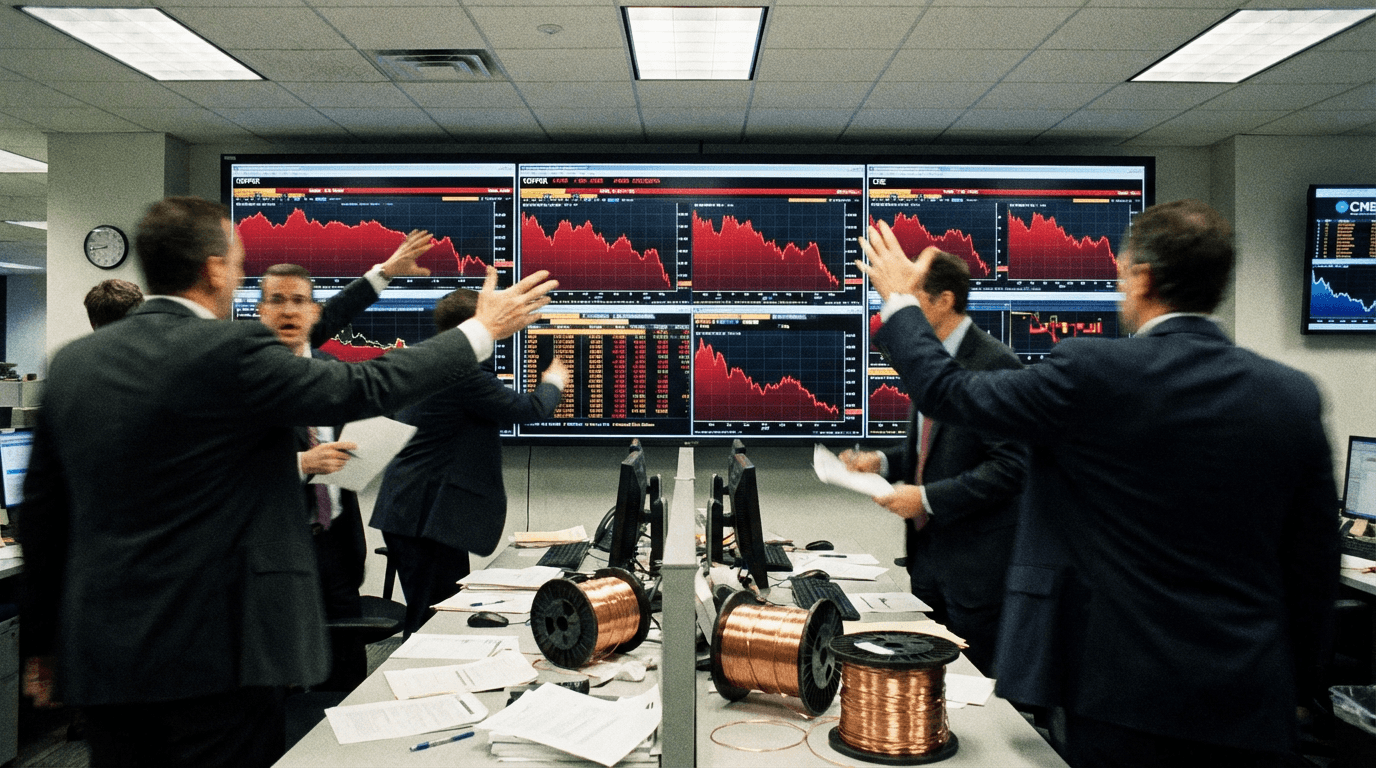
Record copper prices met their match on January 30 when CME margin hikes sparked forced liquidations, crashing metal stocks and exposing speculative excess in commodity markets.

Gold surged to record highs above $5,200/ounce on January 28, 2026, driven by dollar weakness and geopolitical uncertainty. Experts project prices could reach $6,000 by year-end as investors seek safe-haven protection.

Major indices slip as geopolitical tensions and rising Japanese bond yields prompt capital repatriation from U.S. equities, revealing deeper structural market concerns for 2026.**

Discover the key drivers behind the remarkable surge in gold, silver, and platinum prices as geopolitical tensions and economic uncertainties fuel safe-haven demand. Learn how traders can navigate this volatile market environment.**