Oil’s 9% Surge: How the U.S‑Iran Conflict Is Rippling Through Global Markets
Oil just jumped 9% to its highest since 2024 on renewed U.S‑Iran tensions. Here’s how the shock is reshaping inflation expectations, currencies and trading strategies.
Professional trading strategies, risk management techniques, and market psychology insights to improve your trading performance.

Oil just jumped 9% to its highest since 2024 on renewed U.S‑Iran tensions. Here’s how the shock is reshaping inflation expectations, currencies and trading strategies.

Gold is bouncing on Middle East safe-haven demand, yet rising yields, a firm dollar, and oil-driven inflation fears are pushing it toward its first weekly loss in about a month.

A sharp oil spike tied to Iran’s conflict is pressuring stocks, lifting inflation hedges, and forcing traders to rethink growth, inflation, and risk management across portfolios.

Eurozone yields are back near three‑month lows as growth fears curb ECB hawkishness. Here’s how the move is reshaping FX, futures and credit—and what traders can learn.

A sudden 9% intraday spike in crude on Iran war headlines rattled energy and equity futures, highlighting how geopolitical risk, inflation fears, and cross‑asset dynamics collide in today’s markets.

Surging oil prices from the Iran–Middle East conflict are driving safe-haven flows and pressuring risk assets, forcing traders to rethink inflation, policy, and cross-asset strategies.

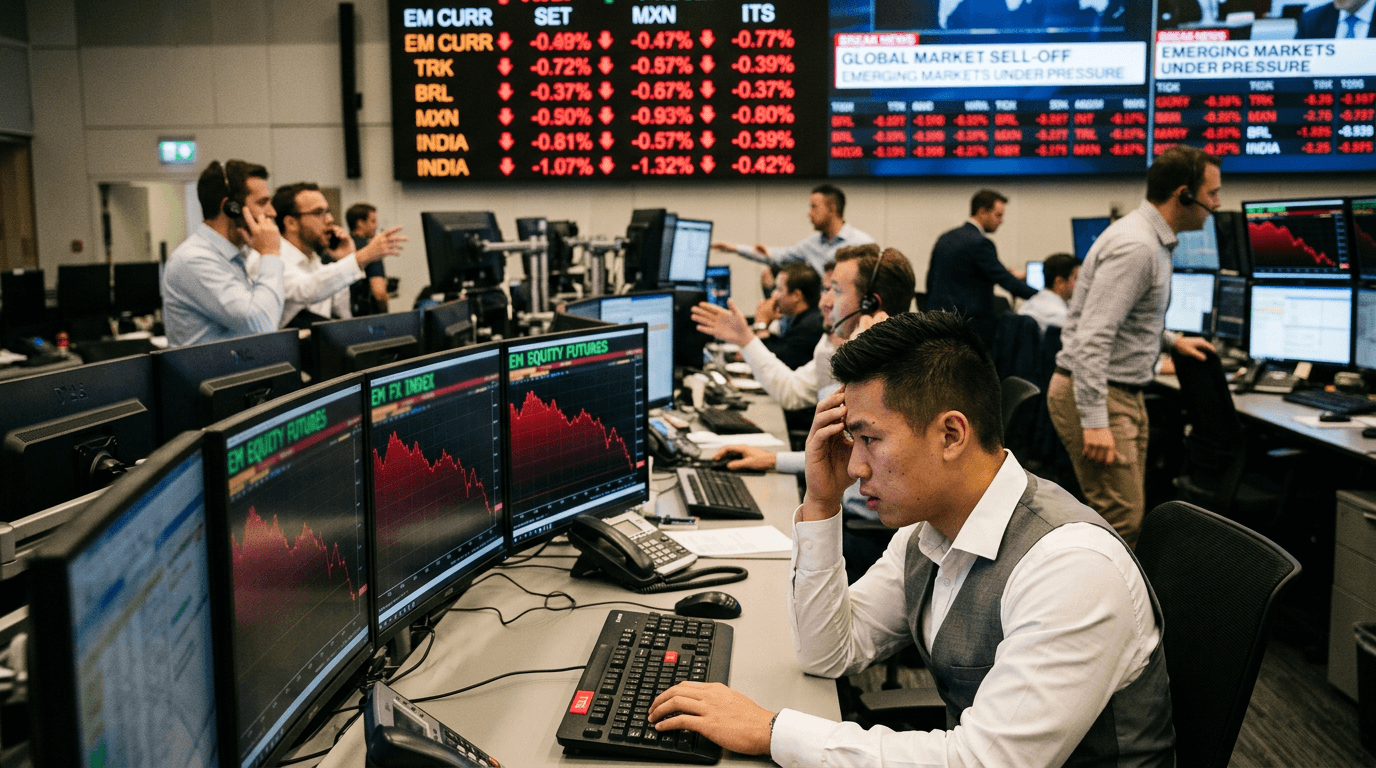
Iran-linked risk-off sentiment is driving sizeable outflows from emerging-market funds, pressuring EM FX, equities, and futures—but also creating opportunities for disciplined traders.

A sharp, tension‑driven jump in oil prices is rippling through inflation expectations, rate forecasts and cross‑asset flows, creating both risks and opportunities for traders.

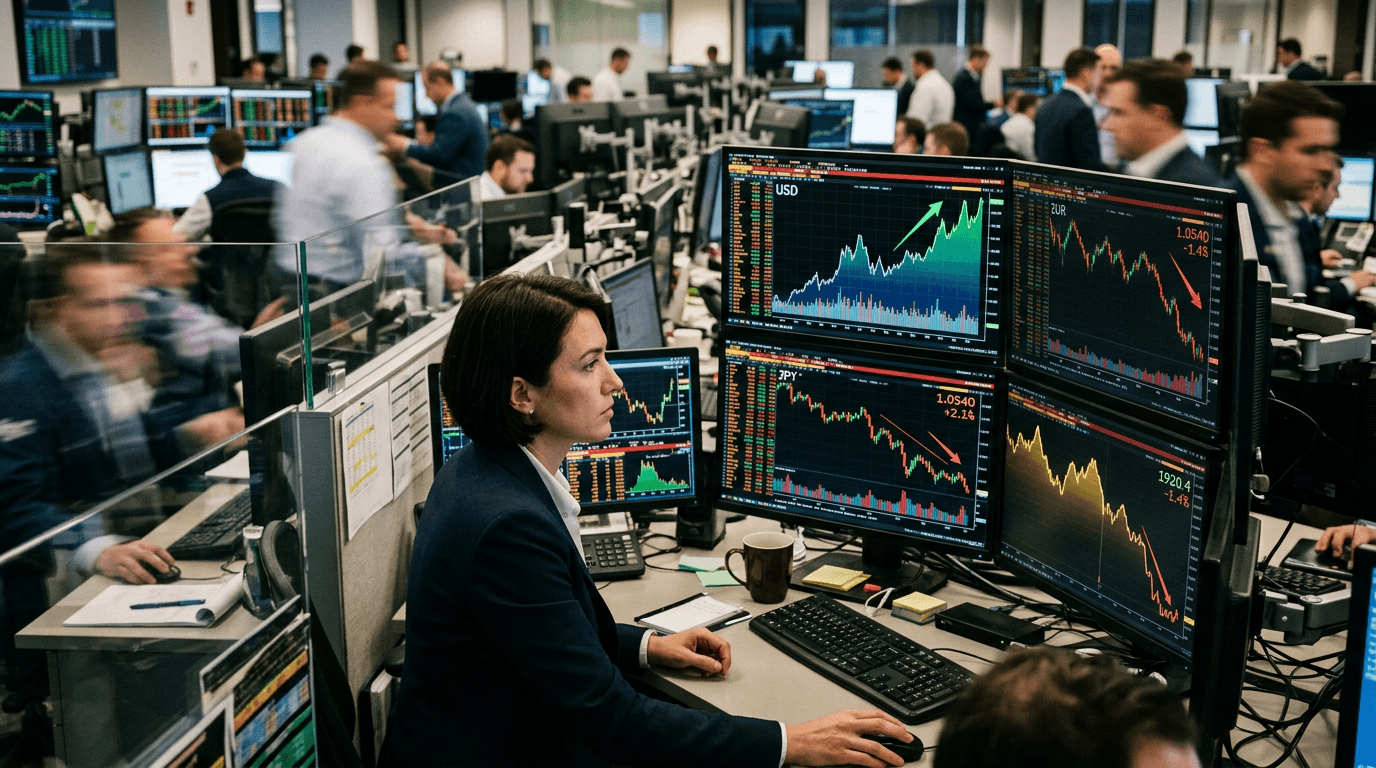
The US dollar’s 13‑month high is pressuring major currencies and gold, underscoring a strong‑USD, higher‑rates regime that traders can actively study and simulate across FX and futures.